Ever felt “butterflies” before a big event or lost your appetite when stressed? That is the gut-brain axis in action: a two-way communication network linking your digestive system and your brain. Emerging research suggests that what you eat can influence not only your digestion but also your mood and mental wellbeing.
What Is the Gut-Brain Axis?
The gut contains the enteric nervous system, sometimes called the “second brain”, with hundreds of millions of neurons. It connects to the brain via the vagus nerve, hormones and immune signals. Gut microbes also produce neuroactive compounds, and a large share of the body’s serotonin, a neurotransmitter involved in mood, is produced in the gut, although gut serotonin does not directly cross into the brain.
What Does the Research Show?
- Diet quality and depression: The SMILES trial found that people with moderate to severe depression who followed a Mediterranean-style diet for 12 weeks had greater improvement in symptoms than a social support control group.
- Observational studies: Diets rich in vegetables, fruit, whole grains, legumes, fish and olive oil are associated with lower risks of depression and anxiety, while ultra-processed and high-sugar diets are linked with higher risk.
- Microbiome differences: People with depression often show differences in gut bacteria, although it is unclear whether this is a cause or a result.
- Probiotics (“psychobiotics”): Some trials report small benefits for mood or stress, but findings are mixed and strain-specific.
Diet is a supportive factor, not a replacement for therapy or medication when those are needed.
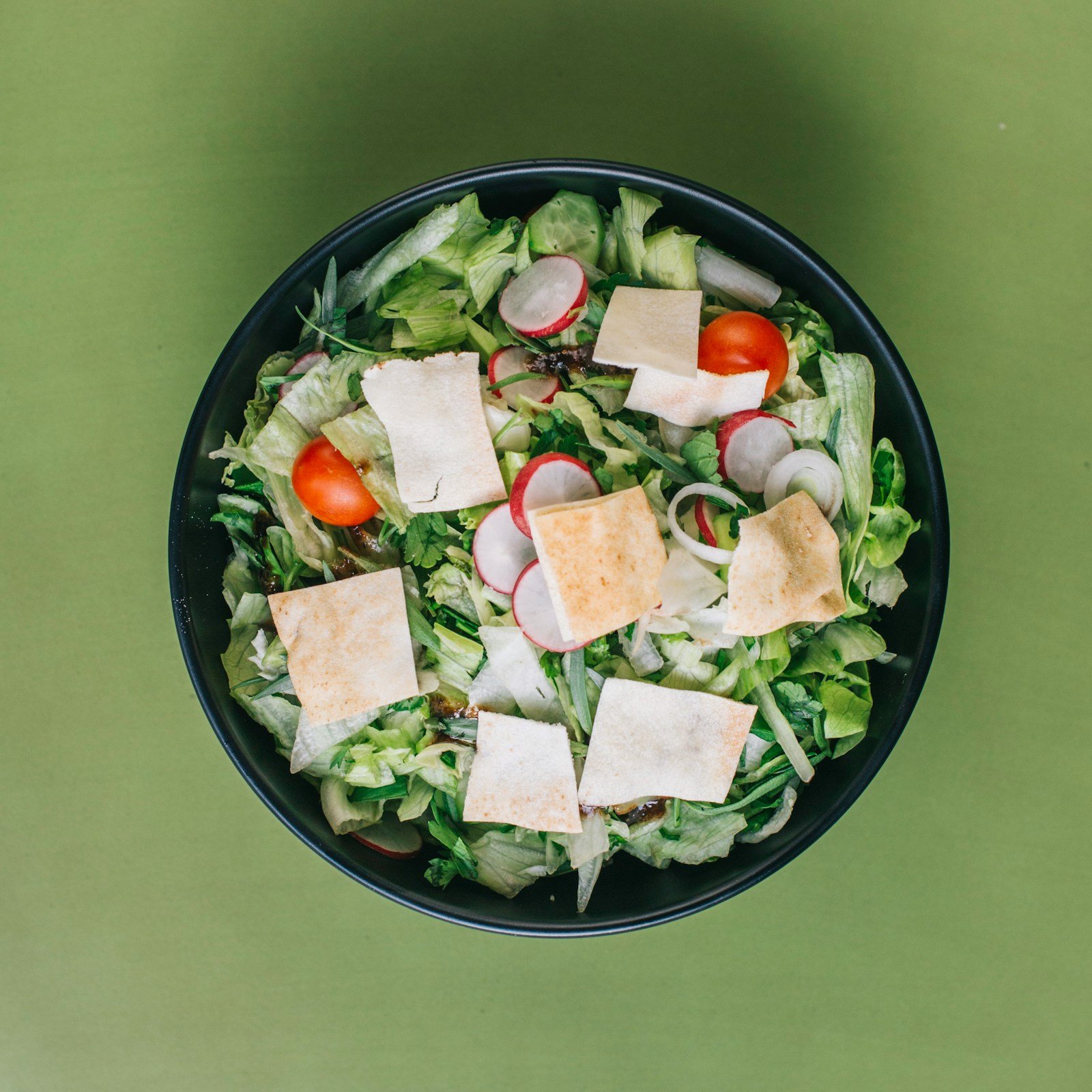
Foods That Support a Healthy Gut and Mind
| Food group | Why it helps |
|---|---|
| Leafy greens and colourful vegetables | Folate, magnesium, fibre and polyphenols |
| Fatty fish | DHA and EPA omega-3s support brain cell membranes and reduce inflammation |
| Nuts and seeds | Healthy fats, magnesium, zinc and vitamin E |
| Legumes and whole grains | Fibre feeds beneficial bacteria; slow-release energy stabilises mood |
| Fermented foods | May improve microbial diversity and lower inflammation |
| Berries and cocoa | Flavonoids linked to cognitive benefits |
| Olive oil | Monounsaturated fat and polyphenols |
| Eggs, dairy and lean proteins | Tryptophan and B vitamins for neurotransmitter production |
Nutrients to Watch
- B12 and folate: Low levels are linked with fatigue and low mood.
- Vitamin D: Deficiency is common and associated with depressive symptoms, though supplement trials are mixed.
- Iron and zinc: Important for brain development and neurotransmitter function.
- Omega-3s: Evidence suggests EPA-rich supplements may help some people with depression as an add-on therapy.
What May Work Against Your Mood
- Frequent blood sugar swings from refined carbohydrates and sweets
- Excess alcohol, which disrupts sleep, gut barrier function and mood
- Very high caffeine intake, which may worsen anxiety in sensitive people
- Skipping meals for long periods
- Ultra-processed foods high in additives and low in nutrients
Practical Steps
- Follow a Mediterranean-style pattern with plenty of plants, fish and olive oil.
- Eat regular meals with protein and fibre to keep energy and mood steady.
- Add a fermented food daily.
- Include oily fish twice a week or use algae-based omega-3 if you do not eat fish.
- Prioritise sleep, movement, sunlight and social connection alongside diet.
When to Seek Help
If you have persistent low mood, anxiety, loss of interest, changes in sleep or appetite or thoughts of self-harm, please speak with a doctor or mental health professional. Nutrition can support treatment but is not a substitute for it.
The Bottom Line
The gut and brain are in constant dialogue. Nourishing your gut with diverse, fibre-rich, minimally processed foods is a sensible, evidence-informed way to support both digestive and mental wellbeing.
This article is for general education and is not a substitute for personalised advice from a registered dietitian or doctor.