Vitamin B12 (cobalamin) is vital for your nervous system, red blood cells and DNA. It is one of the few nutrients that is almost exclusively found in animal foods, which makes it a particular concern for vegetarians, vegans and older adults.
What Does Vitamin B12 Do?
- Helps form healthy red blood cells and prevents megaloblastic anaemia
- Maintains nerve cells and the protective myelin sheath
- Supports DNA synthesis
- Works with folate to control homocysteine levels
How Much B12 Do You Need?
Adults need about 2.4 micrograms (mcg) daily, rising to 2.6 mcg in pregnancy and 2.8 mcg while breastfeeding. Your body stores B12 in the liver for years, so deficiency often develops slowly and may go unnoticed for a long time.
Best Food Sources of B12
| Food | Serving | B12 (approx.) |
|---|---|---|
| Beef liver | 85 g | 70 mcg |
| Clams | 85 g | 17 mcg |
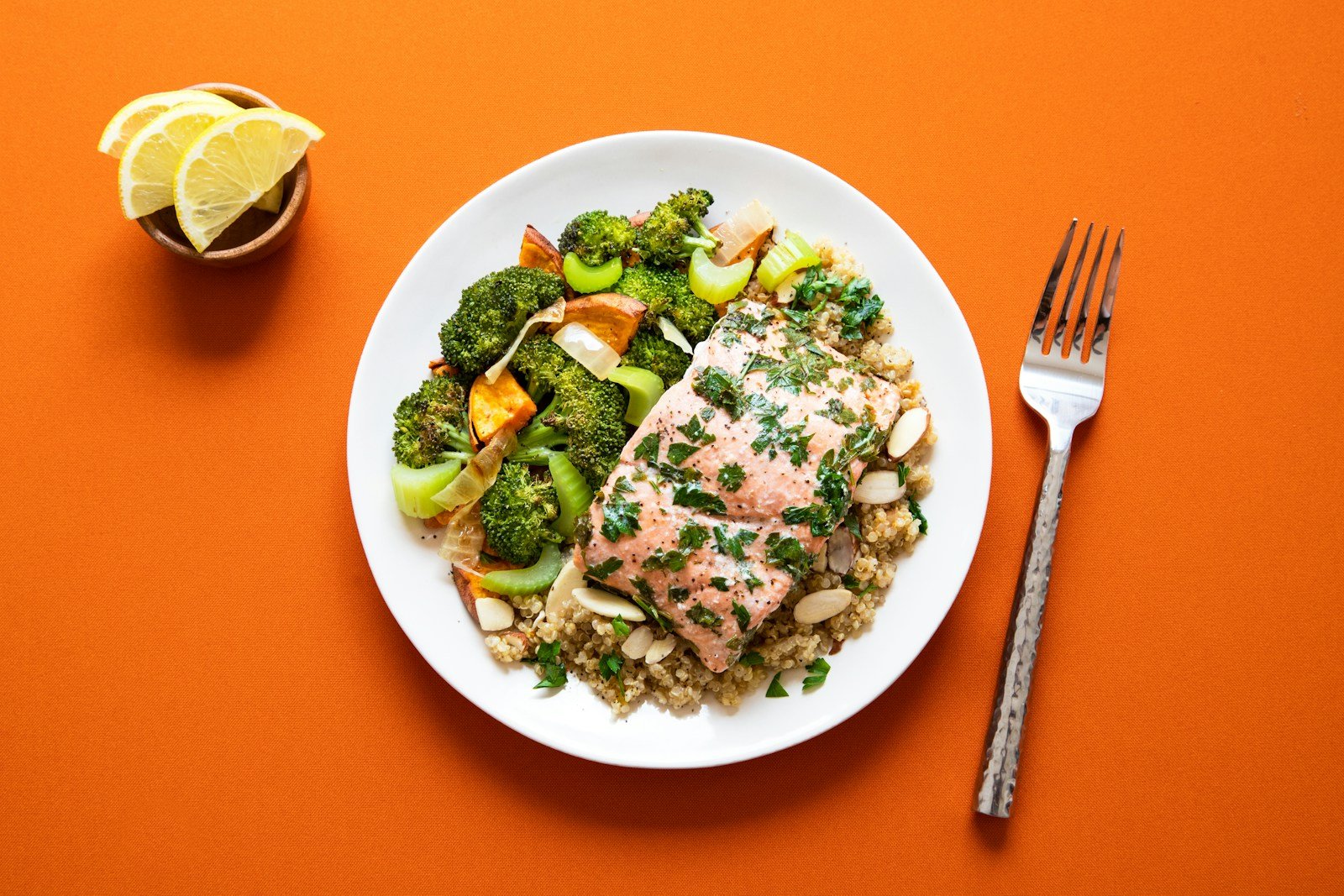
| Salmon | 85 g | 2.6 mcg |
| Beef | 85 g | 1.5 to 2 mcg |
| Milk | 1 cup | 1.2 mcg |
| Yogurt | 1 cup | 1 mcg |
| Egg | 1 large | 0.6 mcg |
| Fortified nutritional yeast | 1 tbsp (varies) | Often 2 to 8 mcg |
Fortified plant milks and breakfast cereals also provide B12. Foods such as tempeh, seaweed and mushrooms are not reliable sources because they mainly contain inactive B12 analogues.
Symptoms of B12 Deficiency
- Extreme tiredness and weakness
- Pale or slightly yellow skin
- Tingling or numbness in hands and feet
- Balance problems and difficulty walking
- Sore, smooth tongue and mouth ulcers
- Memory problems, irritability or low mood
- Shortness of breath and dizziness
Nerve damage from prolonged deficiency can become permanent, so early detection through a blood test is important.
Who Is Most at Risk?
- Vegans and many vegetarians, especially those eating few dairy products and eggs
- Adults over 50, who absorb less B12 from food because of lower stomach acid
- People taking metformin or long-term acid-reducing medicines
- Those with pernicious anaemia, atrophic gastritis, coeliac or Crohn’s disease
- People who have had weight-loss or stomach surgery
Supplements and Injections
Oral supplements of cyanocobalamin or methylcobalamin are effective for most people, including those with mild deficiency, because a small percentage is absorbed even without intrinsic factor. Typical maintenance doses range from 25 to 100 mcg daily or larger doses taken less often, but the right dose depends on your situation. Severe deficiency or absorption problems may require injections. B12 has no established upper limit for healthy people, but you should still follow professional advice.
Tips for Vegetarians and Vegans
- Include dairy and eggs daily if you eat them.
- Use B12-fortified foods and check labels.
- Take a reliable supplement as advised by your doctor or dietitian.
- Test your B12 status every year or two.
The Bottom Line
B12 is essential and easy to overlook. If your diet is low in animal foods or you are over 50, speak with a healthcare professional about testing and supplementation.
This article is for general education and is not a substitute for personalised advice from a registered dietitian or doctor.