Year after year, the Mediterranean diet ranks among the best eating patterns for health in expert reviews. It is not a strict diet but a lifestyle drawn from the traditional foods of countries around the Mediterranean Sea: plenty of plants, olive oil, fish and shared meals.
What Do You Eat on the Mediterranean Diet?
| Eat daily | Eat weekly | Eat rarely |
|---|---|---|
| Vegetables, fruit, whole grains, legumes, nuts, seeds, herbs, spices, extra virgin olive oil | Fish and seafood (2 or more times), poultry, eggs, yogurt and cheese in moderation | Red and processed meat, sweets, sugary drinks, refined grains, ultra-processed foods |
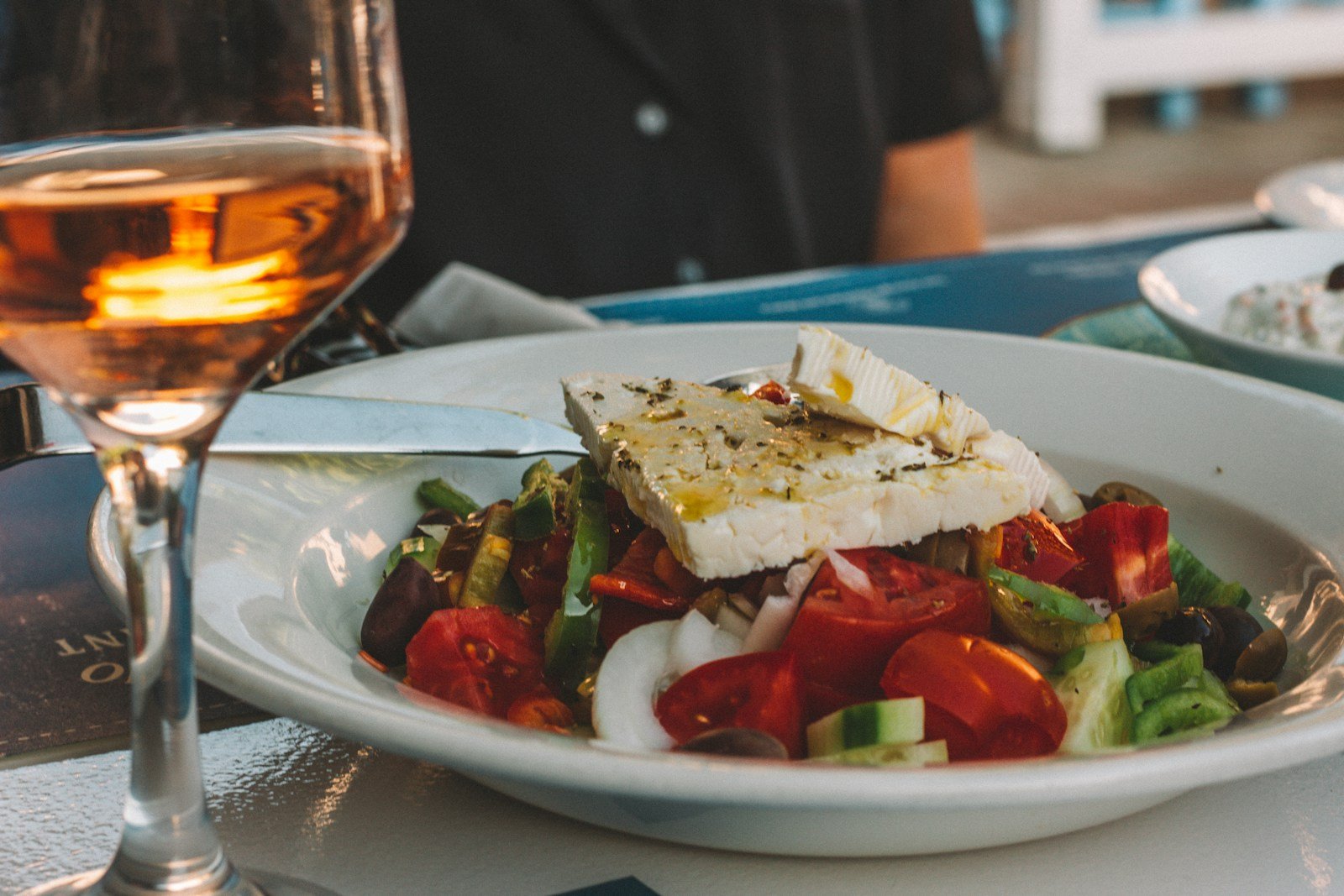
Wine in moderation with meals is part of the traditional pattern, but it is optional and not recommended for everyone. People who do not drink should not start for health reasons.
Evidence-Based Benefits
- Heart health: The PREDIMED trial in Spain found that a Mediterranean diet supplemented with extra virgin olive oil or nuts reduced major cardiovascular events by about 30 percent in high-risk adults compared with a low-fat diet control (a corrected analysis reported a similar benefit).
- Type 2 diabetes: Associated with lower risk and better blood sugar control.
- Brain health: Linked with slower cognitive decline and lower risk of dementia.
- Weight management: Comparable to other diets for weight loss, with better sustainability for many people.
- Longevity and cancer: Associated with lower overall mortality and certain cancers.
- Mood: Can help improve symptoms of depression in some trials.
7-Day Starter Plan
| Day | Breakfast | Lunch | Dinner |
|---|---|---|---|
| Mon | Greek yogurt, berries, walnuts | Chickpea and cucumber salad with olive oil and lemon | Baked salmon, roasted vegetables, quinoa |
| Tue | Oats with chopped apple and cinnamon | Lentil soup with whole grain bread | Vegetable and feta omelette with salad |
| Wed | Whole grain toast, avocado and tomato | Tuna and white bean salad | Chicken souvlaki-style skewers with tzatziki and salad |
| Thu | Fruit and nut bowl with yogurt | Hummus and vegetable whole wheat wrap | Whole grain pasta with tomato, olives and spinach |
| Fri | Scrambled eggs with spinach | Greek salad with grilled halloumi or paneer | Grilled sea bass or sardines with lemon and green beans |
| Sat | Whole grain pancakes with fruit | Vegetable minestrone | Baked eggplant with tomato sauce and chickpeas |
| Sun | Shakshuka with whole grain bread | Brown rice and roasted vegetable bowl with tahini | Slow-cooked bean and vegetable stew, fruit for dessert |
Simple Ways to Start
- Use extra virgin olive oil as your main cooking and dressing fat.
- Fill half your plate with vegetables at lunch and dinner.
- Swap refined grains for whole grains.
- Eat fish twice a week and legumes several times.
- Snack on a handful of nuts or fruit.
- Replace red meat with fish, poultry or beans most days.
- Season with herbs, garlic, lemon and spices instead of salt.
- Enjoy meals slowly, ideally with others.
Adapting It to Indian and Other Cuisines
The principles translate easily: use dals, chana and rajma as your legumes, millets and whole wheat as grains, seasonal sabzis cooked with moderate oil, nuts and seeds, curd, and fish where eaten. Use mustard, groundnut or olive oil in moderation and keep fried foods and sweets occasional.
Is It Expensive?
It can be affordable if built around legumes, seasonal vegetables, whole grains, canned fish and frozen produce, rather than imported specialty items.
The Bottom Line
The Mediterranean diet works because it is flexible, delicious and rooted in whole foods. Start by changing a few meals each week and build from there.
This article is for general education and is not a substitute for personalised advice from a registered dietitian or doctor.