Iron carries oxygen in your blood, supports energy production and is vital for brain development. Iron deficiency is the most common nutrient deficiency in the world and a leading cause of anaemia, particularly among women, children and vegetarians. The good news is that diet can make a big difference.
How Much Iron Do You Need?
| Group | Approx. daily need (US RDA) |
|---|---|
| Men 19+ and women 51+ | 8 mg |
| Women 19 to 50 | 18 mg |
| Pregnancy | 27 mg |
| Vegetarians | About 1.8 times higher due to lower absorption |
Indian guidelines (ICMR) set slightly different values, so check local recommendations.
Heme vs Non-Heme Iron
- Heme iron comes from animal foods such as meat, poultry and fish. The body absorbs about 15 to 35 percent of it.
- Non-heme iron comes from plants and fortified foods. Absorption is lower, around 2 to 20 percent, and is heavily influenced by what you eat alongside it.
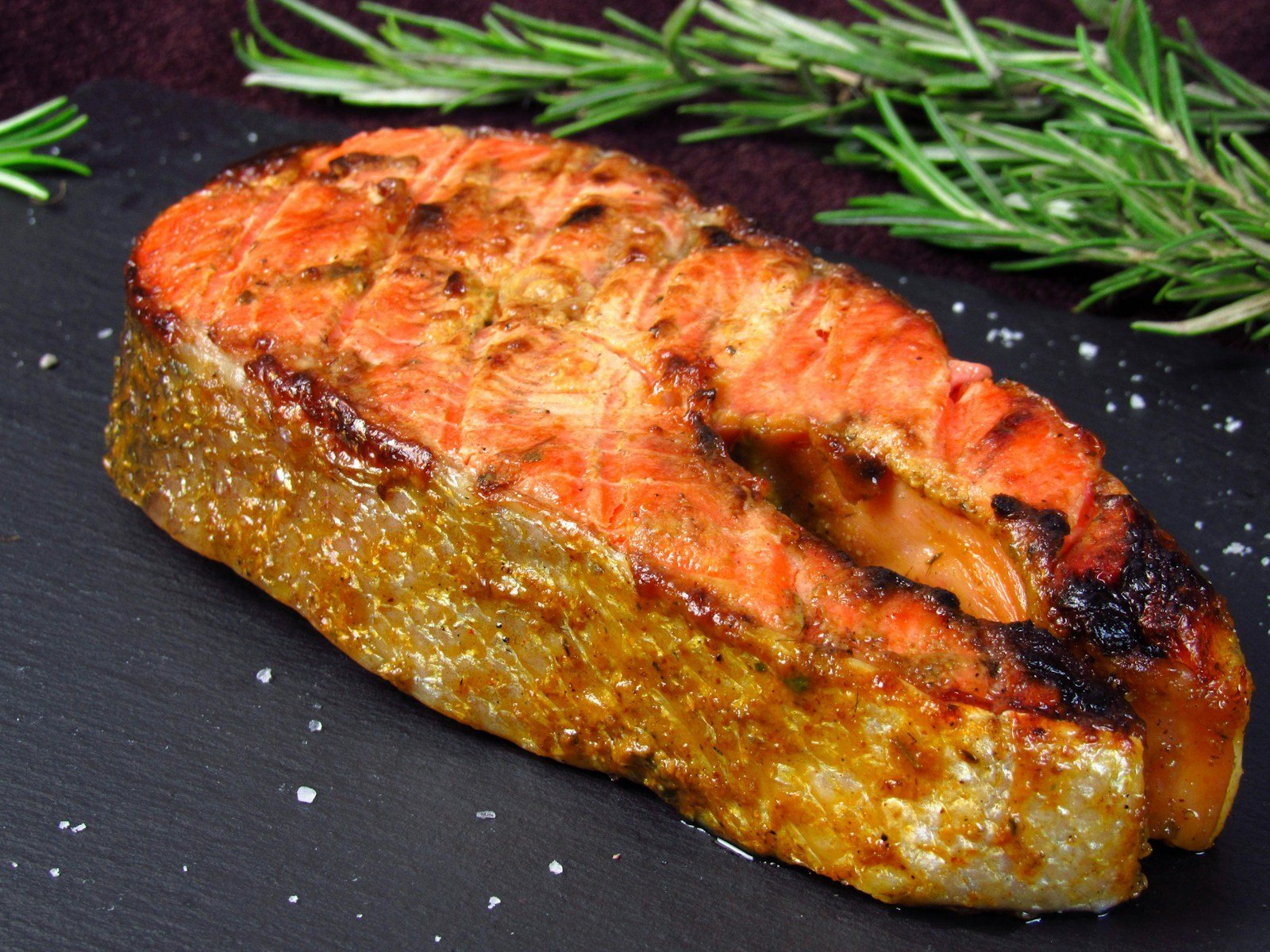
Top Iron-Rich Foods
Animal sources (heme)
- Liver and organ meats (very high, but limit portions)
- Beef, lamb and mutton
- Oysters, clams and sardines
- Chicken and turkey, especially dark meat
- Eggs (a smaller amount)
Plant sources (non-heme)
- Lentils, chickpeas, kidney beans and soybeans
- Tofu and tempeh
- Spinach, amaranth leaves, fenugreek and other leafy greens
- Pumpkin seeds, sesame seeds (til) and tahini
- Dried apricots, raisins and dates
- Quinoa, oats, ragi (finger millet) and fortified cereals
- Jaggery in small amounts
How to Absorb More Iron
- Add vitamin C. Squeeze lemon on dal, eat citrus, tomatoes or peppers with iron-rich meals. Vitamin C can multiply non-heme iron absorption several-fold.
- Separate tea and coffee. Tannins and polyphenols reduce absorption, so drink them at least an hour away from main meals.
- Watch calcium timing. Large doses of calcium supplements or dairy at the same meal can reduce iron uptake.
- Soak, sprout and ferment. These methods reduce phytates in grains and legumes that bind iron.
- Cook in cast iron. Acidic foods cooked in an iron pan pick up small amounts of iron.
Who Is at Higher Risk of Deficiency?
- Women with heavy periods and pregnant women
- Infants and toddlers, and teenage girls
- Vegetarians and vegans
- Frequent blood donors and endurance athletes
- People with coeliac disease, inflammatory bowel disease or after gastric surgery
Symptoms of Iron Deficiency
Persistent tiredness, pale skin, shortness of breath, dizziness, brittle nails, hair loss, cold hands and feet, restless legs and difficulty concentrating can all occur. Because these are common, ask your doctor for a blood test (haemoglobin and ferritin) before starting supplements. Too much iron can be harmful and cause constipation, nausea and, in rare conditions such as haemochromatosis, organ damage.
Sample Iron-Boosting Day
- Breakfast: Fortified oats or ragi porridge with raisins and orange slices
- Lunch: Dal, spinach sabzi, roti and lemon wedge
- Snack: Roasted chana and a handful of pumpkin seeds
- Dinner: Chicken or tofu stir-fry with bell peppers
The Bottom Line
Eat a variety of iron sources, pair plant iron with vitamin C and test before supplementing. If you suspect anaemia, see a healthcare professional for the right diagnosis and treatment.
This article is for general education and is not a substitute for personalised advice from a registered dietitian or doctor.