Many Indians eat diets that are high in carbohydrates and relatively low in protein, with surveys suggesting a large share of adults fall short of recommended intake. Vegetarians can absolutely meet their needs, though, using traditional foods such as dal, curd, paneer, chickpeas and millets, combined thoughtfully across the day.
How Much Protein Do You Need?
The general guideline is about 0.8 to 1 g per kg of body weight daily for healthy adults, which is roughly 50 to 60 g for many people. Active people, those losing weight and older adults often benefit from 1.2 to 1.6 g per kg. Because plant protein is slightly less digestible, vegetarians may aim toward the higher end of the range.
Best Vegetarian Protein Sources
| Food | Serving | Protein (approx.) |
|---|---|---|
| Soya chunks (dry) | 30 g | 15 g |
| Paneer | 100 g | 18 g |
| Tofu | 100 g | 10 to 15 g |
| Cooked dal (toor, moong, masoor) | 1 cup | 14 to 18 g |
| Rajma or chole, cooked | 1 cup | 14 to 15 g |
| Curd or Greek yogurt | 1 cup | 8 to 17 g |
| Milk | 1 glass (250 ml) | 8 g |
| Besan (chickpea flour) | 30 g | 6 to 7 g |
| Peanuts | 30 g | 7 to 8 g |
| Quinoa, cooked | 1 cup | 8 g |
| Sprouts | 1 cup | 6 to 8 g |
| Eggs (for ovo-vegetarians) | 2 large | 12 g |
Combining Proteins
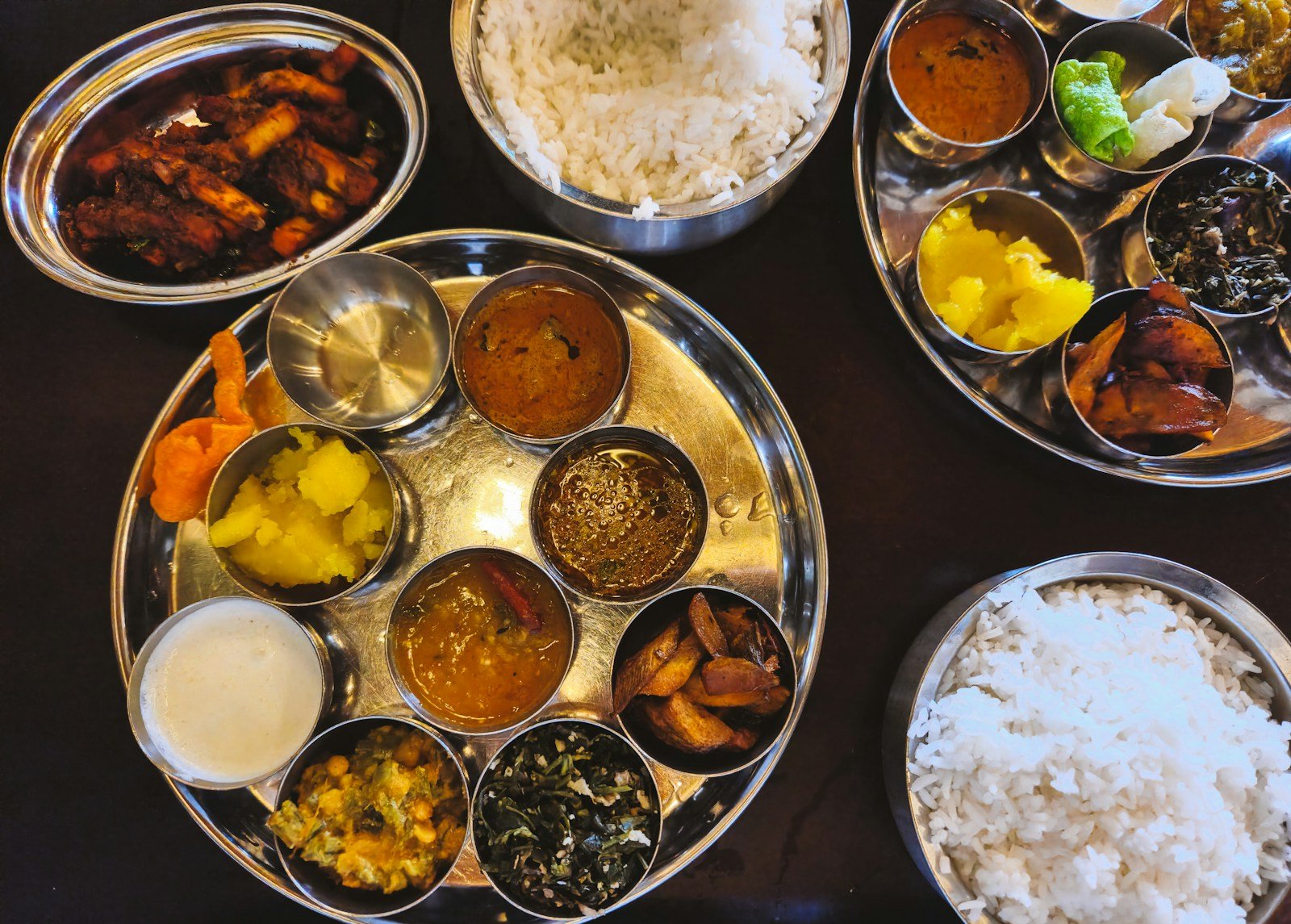
Cereals are low in the amino acid lysine while pulses are low in methionine. Eating them together, such as dal with rice or roti, rajma chawal, khichdi or idli with sambar, provides a more complete amino acid profile. They do not have to be in the same meal, as long as your day includes variety.
Sample High-Protein Vegetarian Day (about 80 to 90 g protein)
- Breakfast: Two besan or moong dal chillas with mint chutney and a glass of milk or a bowl of curd (about 20 g)
- Mid-morning: A handful of roasted chana or peanuts and a fruit (about 7 g)
- Lunch: One bowl dal, one cup mixed vegetable sabzi, two rotis, a cup of curd and salad (about 25 g)
- Evening snack: Sprouts chaat or a paneer tikka (about 12 g)
- Dinner: Soya or paneer bhurji with one or two rotis, or rajma with brown rice and salad (about 22 g)
10 Easy High-Protein Dishes
- Moong dal cheela with grated vegetables
- Paneer bhurji or palak paneer with less cream
- Soya keema or soya chunk curry
- Rajma or chole with brown rice
- Sprouts salad or usal
- Mixed dal khichdi with vegetables and curd
- Tofu stir-fry
- Besan cheela stuffed with paneer
- Sattu drink or sattu paratha
- Greek yogurt or hung curd dips with vegetable sticks
Tips to Boost Protein Without Extra Calories
- Make rotis with a mix of atta, besan and soya flour.
- Add a spoonful of sprouts, dal or paneer to salads and wraps.
- Use curd or hung curd instead of cream in gravies.
- Grill or tawa-cook instead of deep frying.
- Soak or sprout pulses for better digestibility and mineral absorption.
Other Nutrients for Vegetarians
Pay attention to vitamin B12, iron, zinc, vitamin D and omega-3 fats. Dairy, eggs, fortified foods, nuts, seeds and legumes help, but a B12 supplement is often recommended for strict vegetarians. See our related guides on B12 and iron-rich foods for details.
The Bottom Line
Indian cuisine is rich in vegetarian protein options. Build every meal around a pulse, dairy or soy product, pair with grains and vegetables, and you can comfortably meet your protein needs.
This article is for general education and is not a substitute for personalised advice from a registered dietitian or doctor.