If you could change just one thing about your diet to support weight loss, increasing protein would be a strong candidate. Protein fills you up, protects muscle while you lose fat and even burns more calories during digestion. Here is how to use it well.
Why Protein Helps With Weight Loss
- Greater fullness: Protein influences hunger hormones such as ghrelin, GLP-1 and peptide YY, helping you feel satisfied for longer.
- Higher thermic effect: Your body uses roughly 20 to 30 percent of protein calories to digest it, compared with 5 to 10 percent for carbohydrate and 0 to 3 percent for fat.
- Muscle preservation: When you eat fewer calories, adequate protein plus resistance exercise helps you lose fat rather than muscle, keeping metabolism healthier.
- Fewer cravings: Studies show higher protein diets reduce late-night snacking urges for many people.
How Much Protein Do You Need?
The minimum RDA is 0.8 g per kg of body weight, but evidence suggests 1.2 to 1.6 g per kg (about 0.5 to 0.7 g per pound) is more effective for people losing weight, and up to 2 g per kg for those lifting weights in a calorie deficit. For a 70 kg person, that is roughly 85 to 110 g daily. Spreading intake over three or four meals with 20 to 40 g each works well.
Best High-Protein Foods
| Food | Serving | Protein (approx.) |
|---|---|---|
| Chicken breast, cooked | 100 g | 31 g |
| Fish (tuna, salmon, rohu) | 100 g | 20 to 25 g |
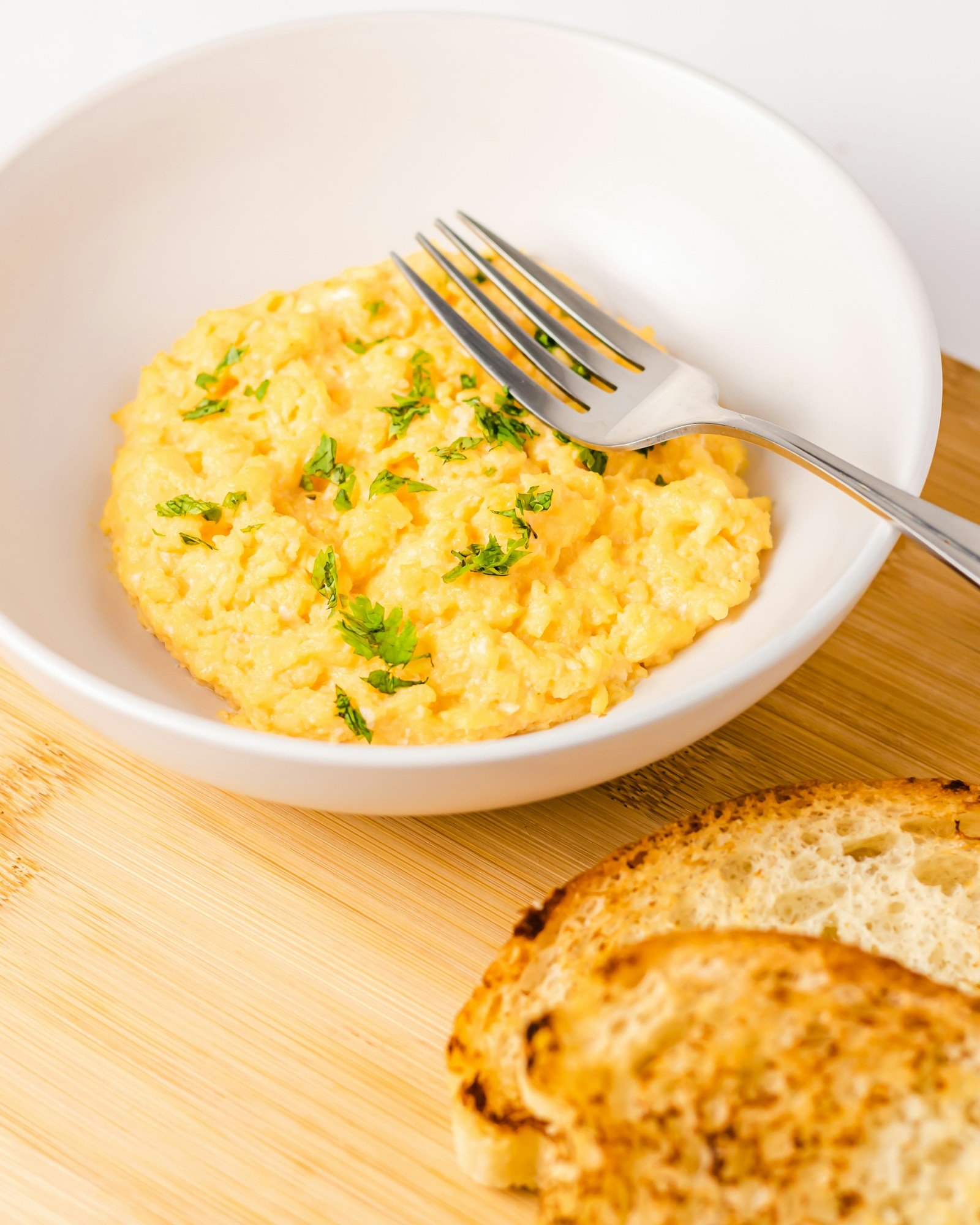
| Eggs | 2 large | 12 g |
| Greek yogurt, plain | 170 g | 15 to 17 g |
| Paneer | 100 g | 18 to 20 g |
| Tofu, firm | 100 g | 10 to 15 g |
| Lentils/dal, cooked | 1 cup | 18 g |
| Chickpeas, cooked | 1 cup | 14 g |
| Soya chunks, dry | 30 g | 15 g |
| Cottage cheese | half cup | 12 to 14 g |
Simple High-Protein Meal Ideas
- Breakfast: Vegetable omelette with whole grain toast, or besan chilla with curd
- Lunch: Grilled chicken or tofu salad with chickpeas
- Snack: Greek yogurt with berries, roasted chana or a boiled egg
- Dinner: Fish curry or paneer bhurji with vegetables and one roti
Common Pitfalls
- Protein bars and shakes aren’t magic. Many bars are high in sugar and calories. Check labels.
- Ignoring fibre and vegetables. A high-protein diet still needs plants for gut health.
- Too much processed meat. Sausages and bacon are linked with higher disease risk, so favour fish, poultry, eggs, dairy and legumes.
- Forgetting calories. Protein still has 4 calories per gram, and a surplus will still cause weight gain.
Is a High-Protein Diet Safe?
For healthy adults, intakes up to around 2 g per kg appear safe in studies lasting up to a year or more. People with kidney disease, liver disease or certain metabolic conditions should consult their doctor before increasing protein.
The Bottom Line
Include a quality protein source at every meal, combine it with strength training and fibre-rich plants, and stay in a moderate calorie deficit for steady, lasting fat loss.
This article is for general education and is not a substitute for personalised advice from a registered dietitian or doctor.