Avocado is unusual among fruits: instead of being mostly sugar and water, it is rich in healthy fats and fibre. Its creamy texture makes it a favourite for toast, salads and smoothies, and research suggests it deserves a place in a heart-healthy diet.
Avocado Nutrition Facts
Half a medium avocado (about 100 g) provides approximately:
| Nutrient | Amount (approx.) |
|---|---|
| Calories | 160 |
| Total fat | 15 g (about 10 g monounsaturated) |
| Fibre | 7 g |
| Potassium | 485 mg |
| Vitamin K | 21 mcg |
| Folate | 81 mcg |
| Vitamin C | 10 mg |
| Vitamin E | 2 mg |
Key Health Benefits
Heart health
Replacing saturated fat with the monounsaturated fat in avocados can help lower LDL cholesterol. A large cohort analysis found that people who ate avocado at least twice a week had a lower risk of cardiovascular disease than those who rarely or never ate it.
Better nutrient absorption
Fat helps absorb carotenoids such as lycopene and beta-carotene. One study found that adding avocado to a salad increased carotenoid absorption several-fold.
Digestive and gut health
With around 7 g of fibre per half fruit, avocados contribute to regularity. A small trial found that eating one avocado daily changed gut bacteria composition and increased bacteria that produce short-chain fatty acids.
Potassium and blood pressure
Avocados contain more potassium than a banana per 100 g, supporting healthy blood pressure.
Eye health
Lutein and zeaxanthin, found in avocado, accumulate in the retina and may protect against age-related eye disease.
Weight management
Despite being calorie-dense, avocado can increase fullness. Studies show that adding avocado to meals can reduce the desire to eat for several hours, but portion control still matters.
How Much Avocado Is Healthy?
A typical serving is one third to half of a medium avocado (about 50 to 100 g). Eating a whole avocado a day can be fine within your calorie needs, but it adds about 320 calories.
Delicious Ways to Eat Avocado
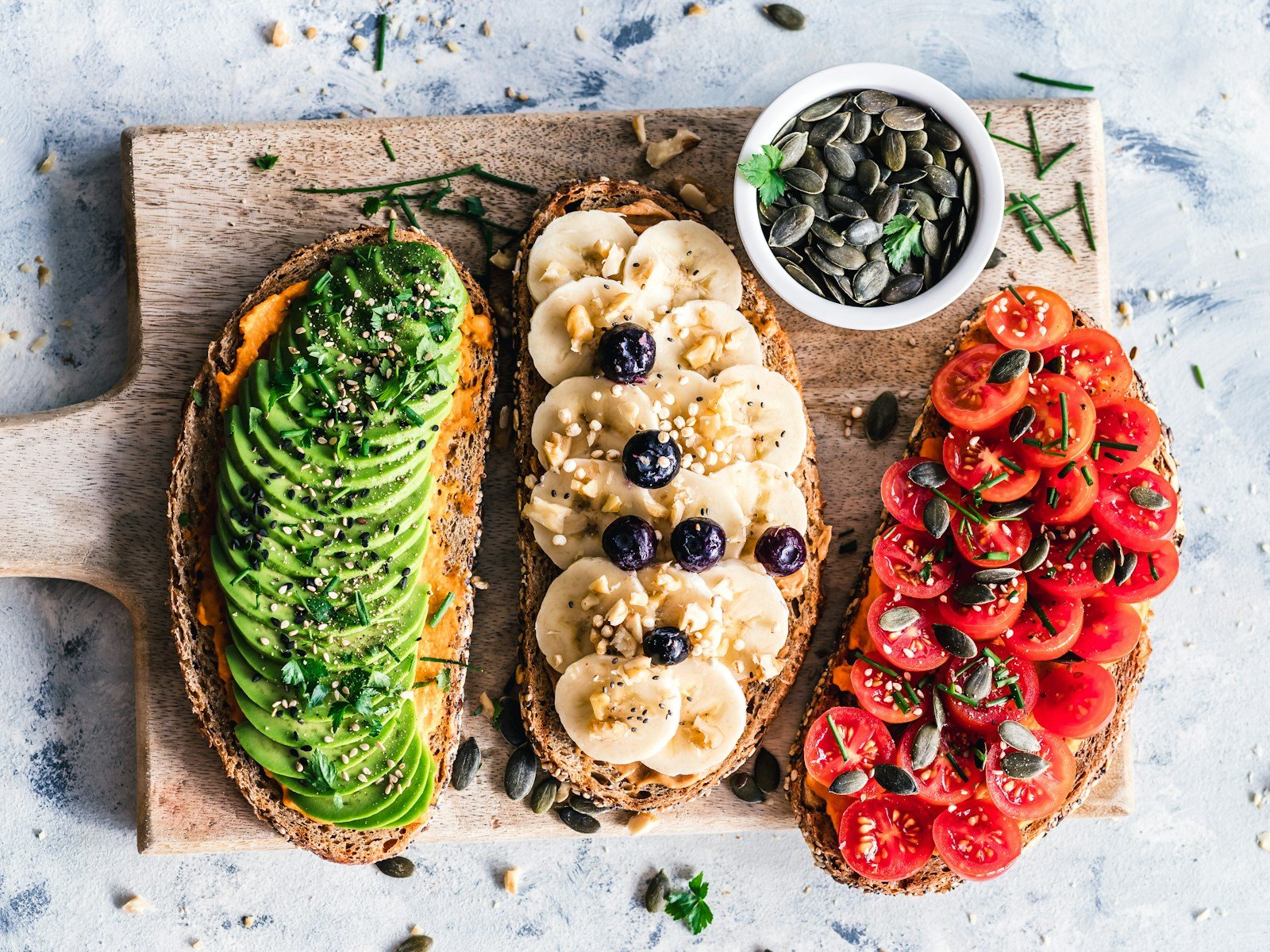
- Mash on whole grain toast with lemon, chilli flakes and a boiled egg
- Blend into smoothies for creaminess
- Dice into salads, dal bowls or salsas
- Use as a creamy swap for mayonnaise or butter in sandwiches
- Make guacamole with tomato, onion, coriander and lime
- Top soups or tacos
Tips for Buying and Storing
- A ripe avocado yields slightly to gentle pressure.
- Ripen firm ones at room temperature, or in a paper bag with a banana to speed it up.
- Refrigerate ripe avocados to slow further ripening.
- Keep cut avocado fresh with lemon juice and airtight wrap.
Who Should Be Careful?
People with latex allergy sometimes react to avocado. Those on warfarin should keep vitamin K intake consistent. People on low-potassium diets for kidney disease should check portion guidance with their doctor.
The Bottom Line
Avocado is a nutrient-dense source of healthy fats, fibre and potassium. Enjoy a moderate portion in place of less healthy fats and pair it with vegetables and whole grains.
This article is for general education and is not a substitute for personalised advice from a registered dietitian or doctor.