Vitamin C (ascorbic acid) is a water-soluble antioxidant your body cannot make or store in large amounts, so you need a regular supply from food. While oranges get most of the credit, many fruits and vegetables contain even more.
What Does Vitamin C Do?
- Needed to make collagen for skin, blood vessels, tendons and wound healing
- Acts as an antioxidant protecting cells from oxidative damage
- Boosts absorption of non-heme (plant) iron
- Supports normal immune cell function
- Helps regenerate vitamin E
Severe deficiency causes scurvy, with bleeding gums, bruising and poor healing. It is rare today but can occur with extremely limited diets.
How Much Vitamin C Do You Need?
The US recommended daily allowance is 90 mg for adult men and 75 mg for adult women. Smokers need an extra 35 mg because smoking depletes vitamin C. Pregnant women need 85 mg and breastfeeding women 120 mg. The upper limit is 2,000 mg a day; higher doses can cause stomach upset and diarrhoea.
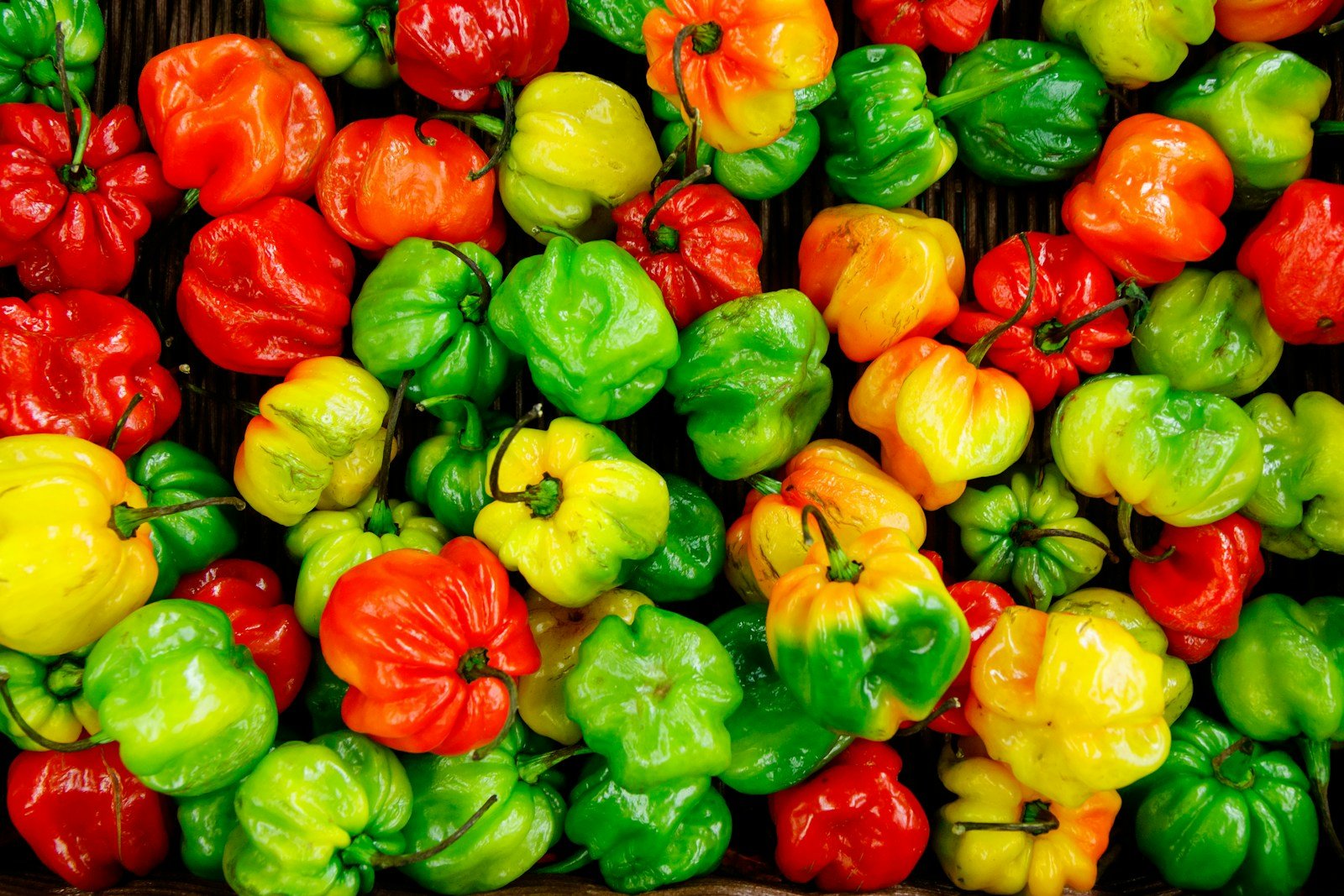
Top Vitamin C Foods
| Food | Serving | Vitamin C (approx.) |
|---|---|---|
| Guava | 1 fruit | 125 mg |
| Red bell pepper, raw | half cup | 95 mg |
| Orange | 1 medium | 70 mg |
| Kiwi | 1 medium | 65 mg |
| Amla (Indian gooseberry) | 100 g | 250 to 600 mg |
| Broccoli, cooked | half cup | 50 mg |
| Strawberries | half cup | 45 mg |
| Papaya | 1 cup | 85 mg |
| Tomato | 1 medium | 17 mg |
| Lemon juice | 1 tbsp | 7 mg |
Preserving Vitamin C When You Cook
Vitamin C is sensitive to heat, light, air and water. To keep more of it:
- Eat some fruit and vegetables raw.
- Steam or microwave rather than boil for long periods.
- Cut produce just before eating.
- Use cooking water in soups or sauces.
Does Vitamin C Prevent Colds?
Reviews of many trials show that regular vitamin C supplements do not reduce how often most people catch a cold, though they may shorten duration by a small amount, around 8 percent in adults. Taking it after symptoms start does not appear to help much. The exception is people under extreme physical stress, such as marathon runners or soldiers in cold conditions, who showed lower rates of colds. For most people, a diet rich in fruits and vegetables is the best approach.
Vitamin C and Skin
Because collagen formation depends on vitamin C, adequate intake supports skin repair. Topical vitamin C serums are also used in dermatology, but eating enough remains the foundation.
Should You Take a Supplement?
Most healthy people get enough from food. Supplements may help smokers, people with limited diets or certain absorption issues. Very high doses may increase the risk of kidney stones in susceptible individuals and can interfere with some tests and medicines, so stay below 2,000 mg a day and talk to your doctor if you have a medical condition.
Easy Ways to Add More Vitamin C
- Add sliced peppers or tomatoes to sandwiches and salads.
- Squeeze lemon over dal, salads and grilled foods.
- Eat a guava, orange or kiwi as a snack.
- Top breakfast oats or curd with berries or papaya.
- Include amla chutney, murabba in small portions or fresh amla juice when in season.
The Bottom Line
Aim for two fruits and three portions of vegetables a day, mixing raw and lightly cooked options, and you will comfortably meet your vitamin C needs.
This article is for general education and is not a substitute for personalised advice from a registered dietitian or doctor.