What you eat before exercise can make the difference between a strong session and a sluggish one. The right pre-workout meal provides fuel for your muscles, keeps blood sugar steady and minimises stomach discomfort. The ideal choice depends on how long and how hard you train and when you last ate.
Why Pre-Workout Nutrition Matters
- Carbohydrates top up muscle and liver glycogen, your main fuel for moderate to high intensity exercise.
- Protein provides amino acids that may reduce muscle breakdown and support recovery.
- Fluids prevent dehydration, which can reduce performance.
- Fat and fibre are useful in daily diets but digest slowly and may cause discomfort right before a workout.
When to Eat
| Time before exercise | What to eat |
|---|---|
| 3 to 4 hours | A full balanced meal: carbs, lean protein, small amount of fat and vegetables |
| 1 to 2 hours | A smaller meal or snack, mostly carbs with some protein |
| 30 to 60 minutes | Easily digested carbs such as a banana, dates or toast |
| Under 30 minutes | A small amount of fast carbs like fruit or a sports drink if needed |
Best Pre-Workout Foods
Larger meals (2 to 4 hours before)
- Brown rice or roti with dal, vegetables and chicken, fish or paneer
- Sweet potato with eggs and vegetables
- Whole grain sandwich with lean protein and salad
- Pasta with tomato sauce and lean mince or lentils
Light snacks (30 to 90 minutes before)
- Banana, optionally with a spoon of peanut butter
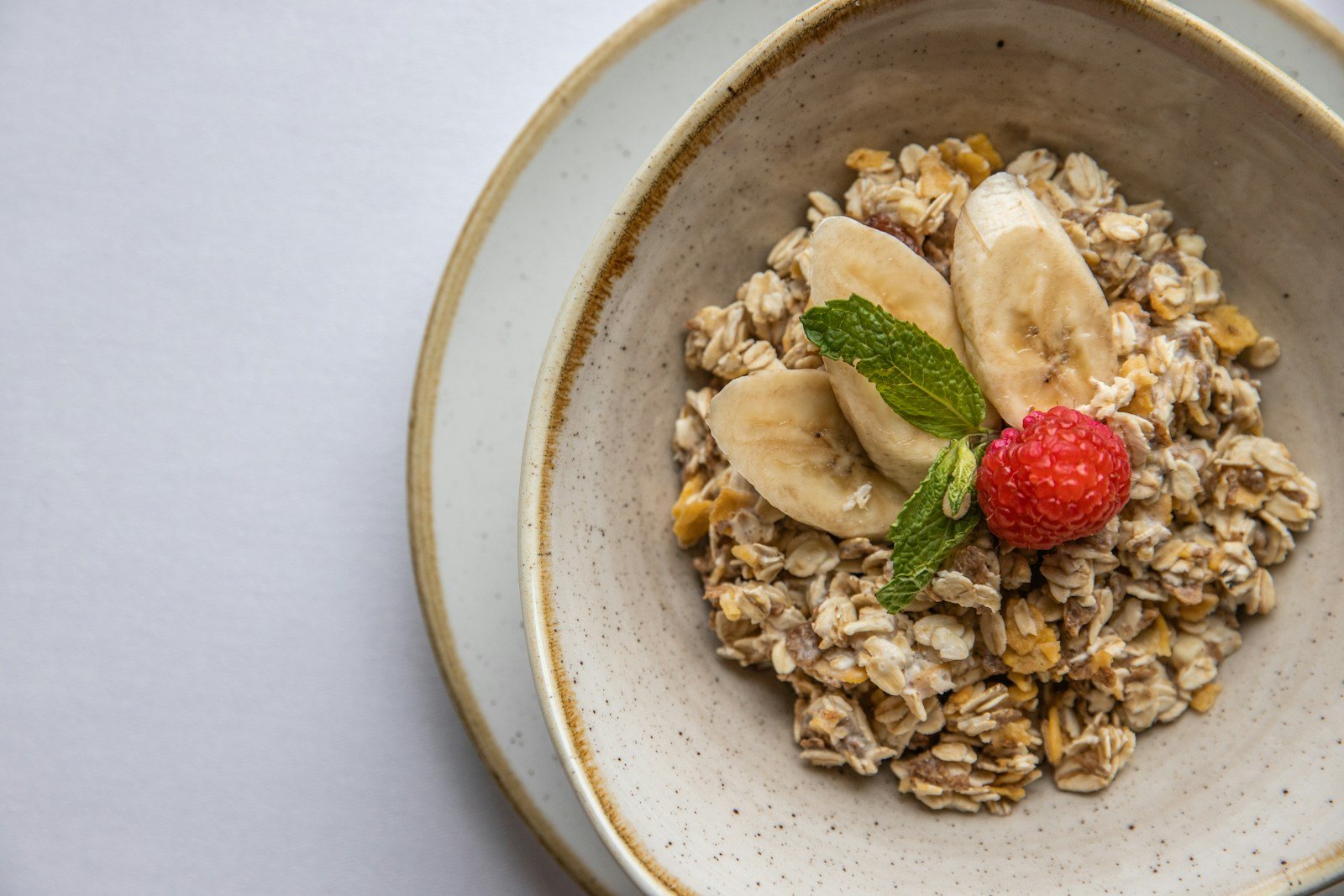
- Oatmeal with fruit
- Toast with honey or jam
- Dates with a few almonds
- Yogurt with fruit
- Rice cakes or poha with a little protein
- Fruit smoothie with milk or curd
How Much Should You Eat?
Sports nutrition guidelines suggest roughly 1 to 4 g of carbohydrate per kg of body weight in the 1 to 4 hours before prolonged or intense exercise, scaled to the intensity and your tolerance. For a 70 kg person, a pre-workout snack of 30 to 60 g of carbohydrate, such as a banana plus a slice of toast with honey, works well. Add 10 to 20 g of protein in meals eaten earlier.
Hydration Before Exercise
Drink about 5 to 7 ml of fluid per kg of body weight (roughly 350 to 500 ml for most adults) at least four hours before training, and a little more in the final hour if your urine is dark. Add electrolytes if you are exercising in heat or for more than an hour.
Caffeine Before Workouts
Moderate caffeine, around 3 to 6 mg per kg of body weight taken 30 to 60 minutes beforehand, can improve endurance and strength performance in many people. That is roughly one to two cups of coffee. It may cause jitters, anxiety or sleep problems in sensitive individuals, so test during training rather than race day.
What to Avoid
- Large, high-fat, fried or very high-fibre meals just before exercise
- Spicy foods or large amounts of caffeine if you have a sensitive stomach
- Carbonated drinks
- Trying completely new foods or supplements on competition day
Fasted Training: Is It Better?
Training before breakfast can be fine for light to moderate sessions of under an hour and some people feel better that way. For high-intensity or long workouts, eating beforehand usually improves performance. Fasted exercise does not clearly burn more fat over time when total calories are matched.
The Bottom Line
Focus on easily digestible carbohydrates, a little protein and enough fluid, eaten at a time that works for your stomach. Experiment during training to find what makes you feel best.
This article is for general education and is not a substitute for personalised advice from a registered dietitian or doctor.