Turmeric, the golden spice at the heart of Indian cooking and Ayurveda, has attracted enormous scientific interest. Its main active compound, curcumin, is a potent antioxidant and anti-inflammatory agent in laboratory studies. But the gap between lab results and real-life benefits is important to understand.
What Is Turmeric and Curcumin?
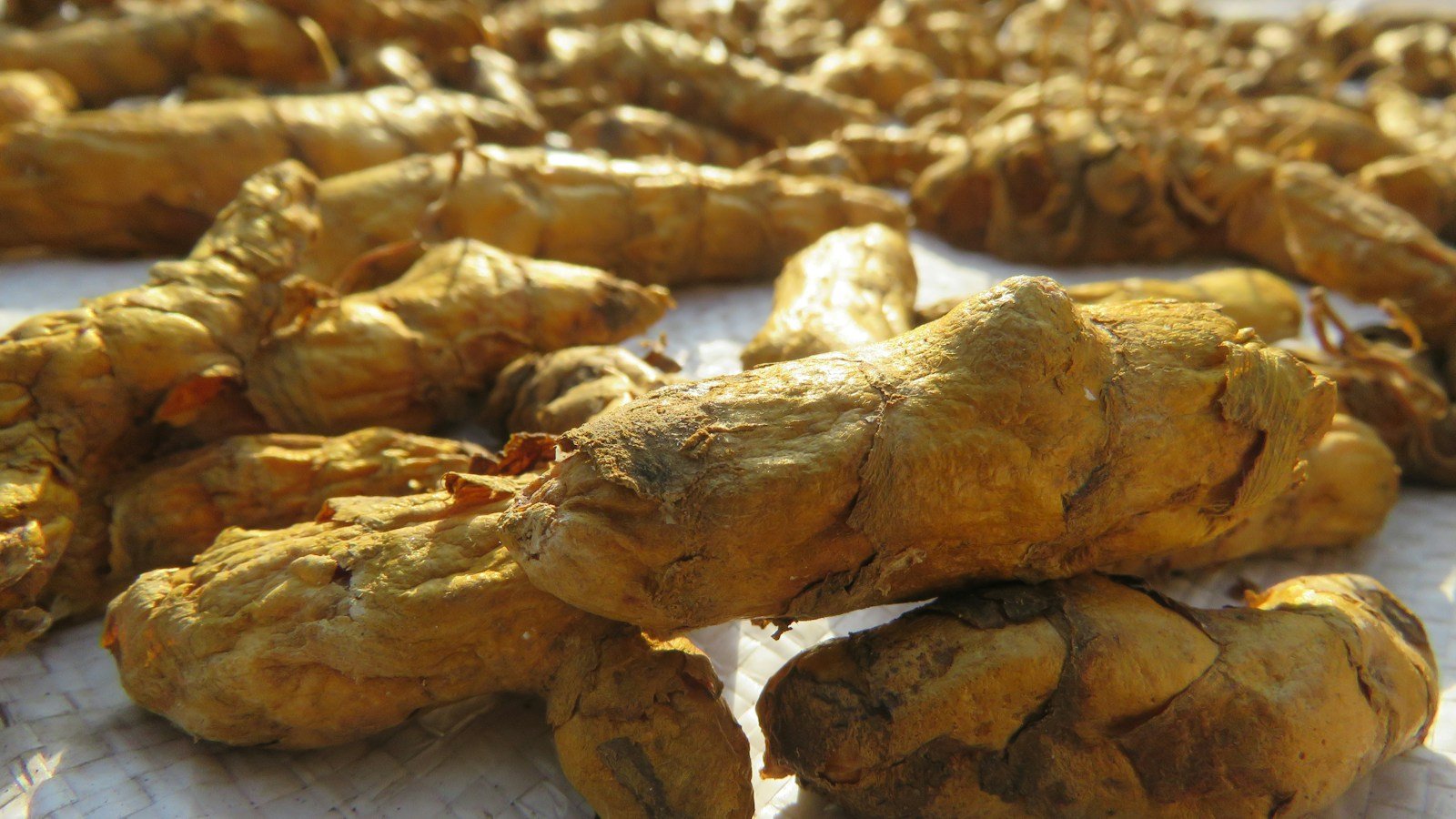
Turmeric (Curcuma longa) is a rhizome related to ginger. Turmeric powder contains about 3 percent curcumin by weight, along with other curcuminoids and volatile oils. Most clinical studies use concentrated curcumin extracts rather than kitchen turmeric.
Potential Health Benefits
- Joint pain and osteoarthritis: Several trials suggest curcumin extracts can reduce pain and stiffness, with effects sometimes comparable to over-the-counter anti-inflammatories, though study quality varies.
- Inflammation: Curcumin can lower markers such as C-reactive protein in some groups.
- Metabolic health: Meta-analyses show modest improvements in blood sugar, cholesterol and waist circumference in people with metabolic syndrome.
- Mood: Small trials hint at benefits for depression symptoms as an add-on treatment.
- Digestive support: It may help with symptoms of ulcerative colitis alongside standard therapy.
Evidence is promising but not conclusive, and curcumin is not a replacement for medical treatment.
The Absorption Problem
Curcumin is poorly absorbed, quickly metabolised and rapidly eliminated. Two simple kitchen tricks can help:
- Add black pepper. Piperine, the active compound in pepper, has been shown to increase curcumin bioavailability by up to 2,000 percent in one classic study.
- Combine with fat. Curcumin is fat-soluble, so cooking it in oil, ghee or milk improves absorption. This is why traditional preparations such as tadka and golden milk work well.
How to Use Turmeric in Food
- Add half to one teaspoon to dal, sabzi, rice or soups
- Make golden milk: warm milk or plant milk with half a teaspoon of turmeric, a pinch of black pepper, a little ginger and honey
- Blend into smoothies with banana and mango
- Season roasted vegetables or scrambled eggs
- Use fresh grated turmeric root in dressings, pickles and teas
Supplements: What to Know
Clinical doses typically range from 500 to 2,000 mg of curcumin per day, often in formulations with piperine, phospholipids or nanoparticles. The WHO has set an acceptable daily intake of up to 3 mg per kg of body weight for curcumin as a food additive. Possible side effects include nausea, diarrhoea and headaches.
Safety and Cautions
- Rare cases of liver injury have been linked to high-dose turmeric supplements, especially those with enhanced absorption. Stop use and seek care if you develop jaundice, dark urine or abdominal pain.
- Turmeric may interact with blood thinners, diabetes medicines and some chemotherapy drugs.
- It is high in oxalate, so people prone to kidney stones should be cautious with large supplement doses.
- Stop supplements before surgery as advised by your doctor.
- Pregnant and breastfeeding women should stick to culinary amounts.
- Some imported turmeric has been found adulterated with lead chromate, so buy from reputable brands.
Frequently Asked Questions
Does cooking destroy curcumin?
Some is lost with prolonged heating, but enough remains for culinary use, and the oil in cooking aids absorption.
Can turmeric cure inflammation?
It may help reduce certain inflammatory markers and symptoms, but it is not a cure for any disease.
The Bottom Line
Enjoy turmeric generously in cooking with black pepper and a little fat. Consider supplements only after talking with a healthcare professional, especially if you take medication or have a medical condition.
This article is for general education and is not a substitute for personalised advice from a registered dietitian or doctor.