Once a staple of Aztec and Mayan diets, chia seeds have become a modern pantry favourite. These tiny seeds from the Salvia hispanica plant absorb liquid and form a gel, making them perfect for puddings, smoothies and baking, while delivering a surprising amount of nutrition.
Chia Seed Nutrition Facts
Two tablespoons (about 28 g) provide roughly:
| Nutrient | Amount (approx.) |
|---|---|
| Calories | 138 |
| Fibre | 10 g |
| Protein | 4.7 g |
| Total fat | 8.7 g (about 5 g of ALA omega-3) |
| Calcium | 179 mg |
| Magnesium | 95 mg |
| Phosphorus | 244 mg |
Health Benefits
- Digestive health: The soluble fibre forms a gel that supports regular bowel movements and feeds gut bacteria.
- Plant omega-3: Chia is one of the richest plant sources of alpha-linolenic acid (ALA), which is linked to heart health. The body converts only a small portion of ALA into EPA and DHA, so fish or algae oil remain important for those fats.
- Fullness: Fibre and protein can increase satiety, though weight loss trials have shown modest effects.
- Blood sugar: Some small studies suggest chia may lessen blood sugar spikes after meals.
- Bone nutrients: Contains calcium, magnesium and phosphorus.
- Antioxidants: Contains polyphenols such as quercetin and chlorogenic acid.
How to Eat Chia Seeds
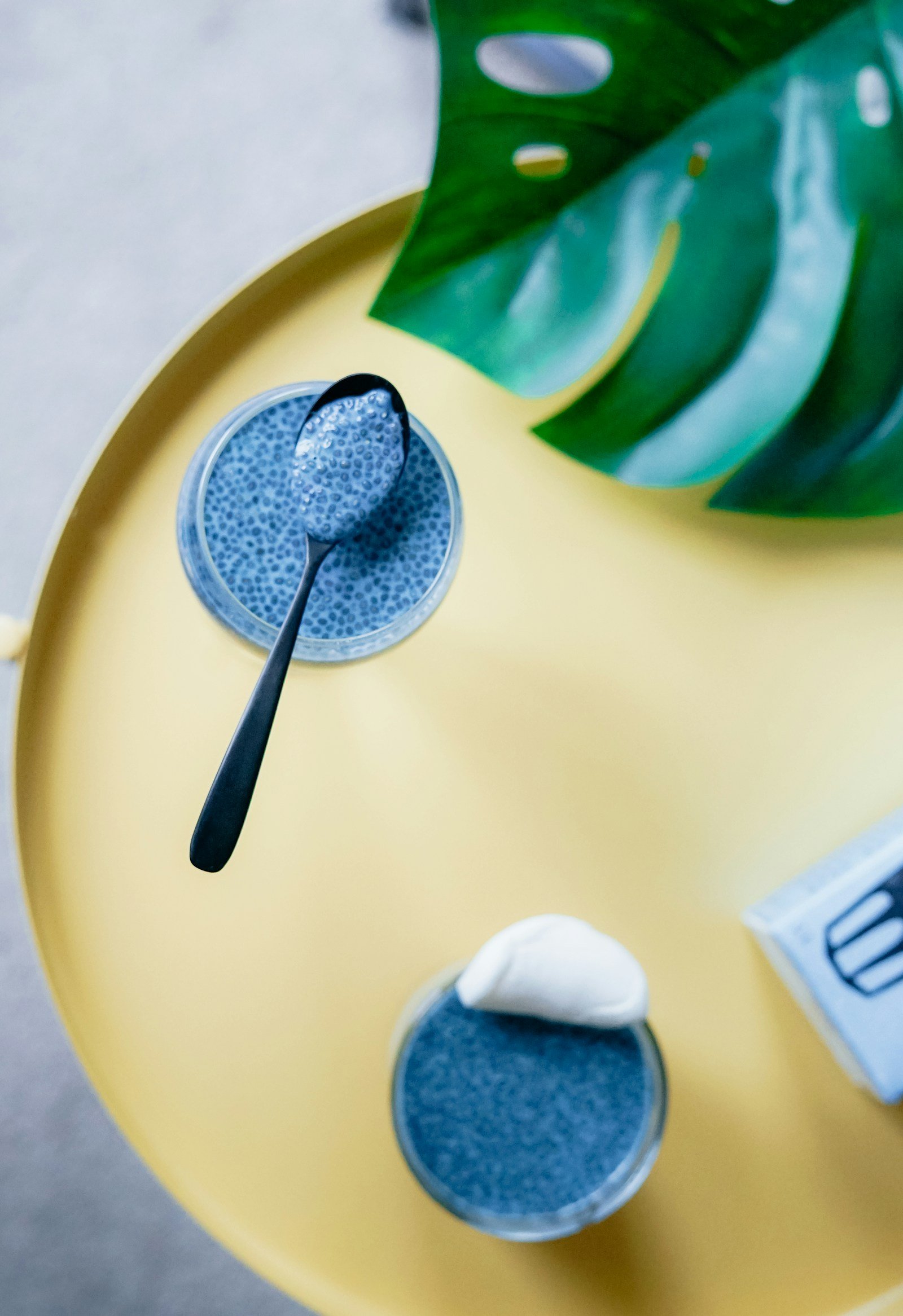
- Chia pudding: Mix 3 tablespoons of chia with 1 cup of milk or plant milk, add vanilla or a little honey, stir, wait 10 minutes, stir again and refrigerate for 2 hours or overnight.
- Smoothies and oats: Stir in a tablespoon.
- Chia water or sabja-style drinks: Soak in water with lemon and mint. Note that sabja (basil) seeds are different but used similarly.
- Egg replacer: Mix 1 tablespoon chia with 3 tablespoons water for a vegan egg substitute in baking.
- Sprinkle: Add to salads, yogurt, soups or dal.
How Much Is Safe?
One to two tablespoons (15 to 30 g) a day is a typical amount. Increase gradually and drink plenty of fluids because the high fibre content can cause gas, bloating or constipation if you add too much too quickly.
Safety Tips
- Always soak dry seeds. There are reports of dry chia seeds swelling in the oesophagus of people with swallowing difficulties. Do not eat a spoonful of dry seeds followed by water.
- Medication cautions: Chia may lower blood pressure and blood sugar slightly and has mild blood-thinning effects. Check with your doctor if you take related medicines.
- Allergy: Rare but possible, especially in people allergic to sesame or mustard seeds.
Chia vs Flax vs Sabja
| Seed | Key points |
|---|---|
| Chia | High fibre and ALA; no need to grind; gels in liquid. |
| Flax | High ALA and lignans; must be ground to absorb nutrients. |
| Sabja (basil) | Cooling gel, traditionally used in drinks; lower in omega-3. |
The Bottom Line
Chia seeds are an affordable, versatile way to boost fibre, plant omega-3 and minerals. They are not a miracle food, but soaked and eaten in moderation they make a great addition to a balanced diet.
This article is for general education and is not a substitute for personalised advice from a registered dietitian or doctor.