Dietary fibre is one of the most underrated nutrients. It supports digestion, helps control blood sugar and cholesterol, keeps you full and feeds the beneficial bacteria in your gut. Yet surveys across many countries show that most adults eat well below the recommended amount.
What Is Dietary Fibre?
Fibre is the part of plant foods your body cannot fully digest. It comes in two main forms:
- Soluble fibre dissolves in water to form a gel. It helps lower LDL cholesterol and smooths blood sugar responses. Found in oats, beans, apples, citrus and flaxseed.
- Insoluble fibre adds bulk and helps food move through the gut. Found in whole wheat, bran, nuts and many vegetables.
How Much Fibre Do You Need?
US guidelines suggest about 25 g per day for women and 38 g for men, or roughly 14 g per 1,000 calories. Indian dietary guidance points to around 40 g per 2,000 calories. Many people eat only about half of these targets.
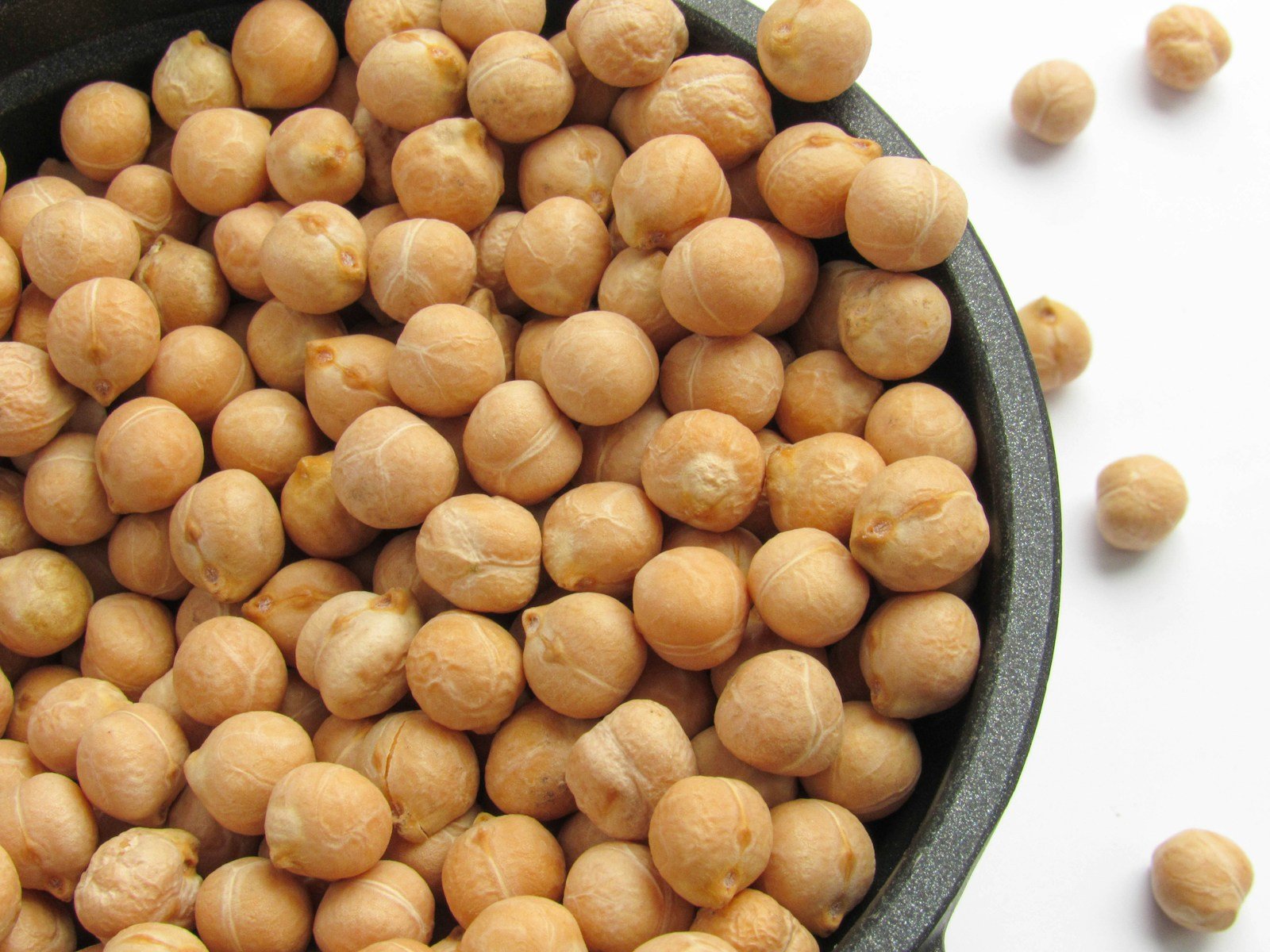
20 High-Fibre Foods
Approximate fibre content is shown for common serving sizes and varies by variety and preparation.
| Food | Serving | Fibre (approx.) |
|---|---|---|
| Lentils, cooked | 1 cup | 15 g |
| Chickpeas, cooked | 1 cup | 12 g |
| Kidney beans, cooked | 1 cup | 11 to 13 g |
| Green peas, cooked | 1 cup | 9 g |
| Chia seeds | 2 tbsp | 10 g |
| Flaxseeds, ground | 2 tbsp | 4 g |
| Raspberries | 1 cup | 8 g |
| Pear with skin | 1 medium | 5.5 g |
| Apple with skin | 1 medium | 4.5 g |
| Avocado | half | 5 g |
| Broccoli, cooked | 1 cup | 5 g |
| Oats, cooked | 1 cup | 4 g |
| Whole wheat roti | 1 medium | 2 to 3 g |
| Quinoa, cooked | 1 cup | 5 g |
| Almonds | 28 g | 3.5 g |
| Sweet potato with skin | 1 medium | 4 g |
| Carrots, raw | 1 cup | 3.5 g |
| Brussels sprouts, cooked | 1 cup | 4 g |
| Popcorn, air-popped | 3 cups | 3.5 g |
| Dried figs | 4 pieces | 5 g |
Health Benefits of Fibre
- Digestive regularity: Helps prevent constipation and supports healthy bowel movements.
- Heart health: Soluble fibre binds bile acids and lowers LDL cholesterol.
- Blood sugar control: Slows glucose absorption, which is helpful for type 2 diabetes prevention.
- Weight management: High-fibre foods increase fullness for fewer calories.
- Gut microbiome: Fermentable fibres feed bacteria that produce short-chain fatty acids such as butyrate.
- Lower disease risk: Higher fibre diets are linked with lower risk of colorectal cancer and cardiovascular disease.
How to Add More Fibre Safely
- Go slowly. Add 5 g more every few days to avoid gas and bloating.
- Drink enough water. Fibre needs fluid to work well.
- Swap refined for whole. Choose whole wheat, brown rice, millets and oats.
- Eat the skin. Keep the peel on apples, pears, cucumbers and potatoes when practical.
- Add legumes. Put dal, rajma, chole or beans into meals several times a week.
- Snack smartly. Fruit, nuts, roasted chana and raw vegetables beat low-fibre packaged snacks.
Fibre Supplements vs Food
Supplements such as psyllium husk can help certain people, but whole foods provide additional vitamins, minerals and phytonutrients. Food should be the first choice, with supplements discussed with a healthcare professional when needed.
Frequently Asked Questions
Can you eat too much fibre?
Very high intakes, particularly when increased suddenly, can cause bloating, cramps and reduced absorption of some minerals. Gradual increases and adequate fluids usually prevent problems.
Does cooking reduce fibre?
Cooking changes the texture but does not destroy fibre. It can make some foods easier to eat in larger amounts.
The Bottom Line
Fibre is simple, affordable and powerful. Build meals around legumes, whole grains, vegetables, fruit, nuts and seeds, increase intake gradually and drink plenty of water.
This article is for general education and is not a substitute for personalised advice from a registered dietitian or doctor.