“Eat more whole foods and fewer processed foods” is some of the most common nutrition advice, yet it is rarely explained well. Frozen peas are processed. So is yogurt, canned beans and whole wheat bread. Are they unhealthy? Not necessarily. This guide explains what the terms really mean and how to shop smarter.
What Are Whole Foods?
Whole foods are foods that are close to their natural state: fresh fruit and vegetables, whole grains, legumes, nuts, seeds, eggs, plain milk, fresh fish and unprocessed meat. They contain fibre, vitamins, minerals and plant compounds in the combinations nature packaged them in.
The Processing Spectrum
Many researchers use the NOVA classification, which groups foods by the extent of processing rather than labelling them simply good or bad.
- Group 1: Unprocessed or minimally processed. Fresh, dried, frozen or chilled foods with little change: vegetables, fruit, rice, lentils, milk, eggs, plain nuts.
- Group 2: Processed culinary ingredients. Oils, butter, sugar, salt and flour used to cook and season.
- Group 3: Processed foods. Simple products made by combining groups 1 and 2: canned vegetables, cheese, freshly baked bread, salted nuts.
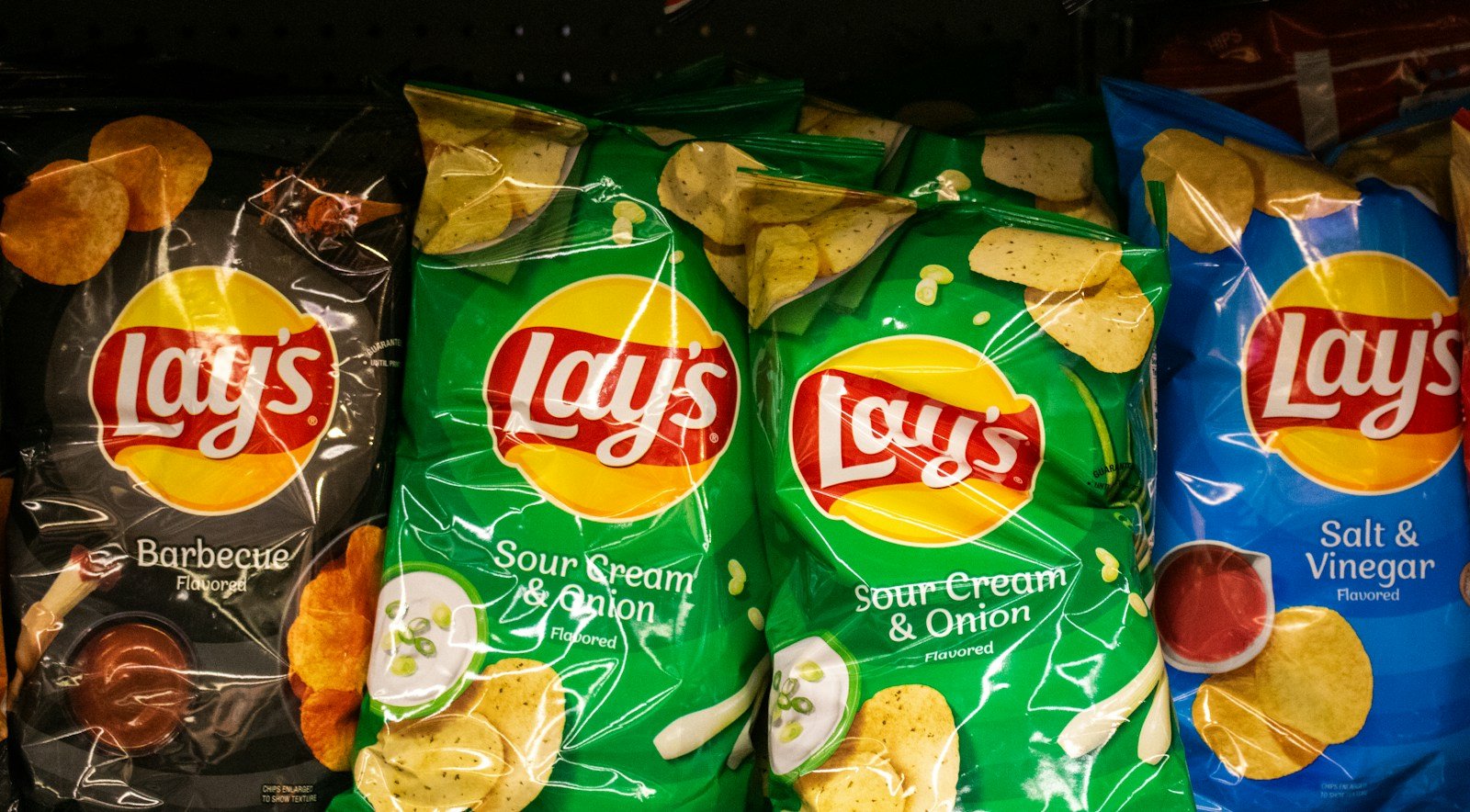
- Group 4: Ultra-processed foods. Industrial formulations with additives such as emulsifiers, flavourings, sweeteners and colours: soft drinks, packaged snacks, instant noodles, many sugary cereals and reconstituted meat products.
Why Ultra-Processed Foods Get the Attention
Large observational studies have linked diets high in ultra-processed foods to a higher risk of weight gain, type 2 diabetes and heart disease. A controlled trial from the US National Institutes of Health found that people eating an ultra-processed diet consumed around 500 more calories per day than when they ate an unprocessed diet, and gained weight. The reasons likely include:
- High energy density with low fibre, so they are easy to overeat.
- Soft textures that can be eaten quickly before fullness signals arrive.
- Added sugar, refined starch, sodium and unhealthy fats in combinations that are hard to resist.
- Displacing nutrient-dense foods from the diet.
These studies show associations and cannot prove that processing alone is the cause, but the pattern is consistent enough that major health bodies recommend limiting these foods.
Processed Does Not Always Mean Unhealthy
Some processing makes food safer, cheaper, more convenient and sometimes more nutritious:
- Pasteurising milk removes harmful bacteria.
- Freezing vegetables soon after harvest locks in vitamins.
- Canned beans, tomatoes and fish are affordable pantry staples.
- Fortified foods such as iodised salt and fortified flour prevent deficiencies.
- Plain yogurt and tofu are processed but valuable sources of protein and calcium.
How to Eat More Whole Foods Without Stress
1. Read the ingredient list, not just the front label
A short list of recognisable ingredients is a good sign. Long lists with unfamiliar additives often mean ultra-processed.
2. Shop the edges of the store first
Produce, dairy, eggs, fish and meat are usually along the outer sections. Visit the inner aisles with a list for staples such as oats, lentils, spices and canned tomatoes.
3. Swap rather than ban
- Sugary cereal to oats with fruit
- Chips to roasted chickpeas or nuts
- Fruit juice to whole fruit
- Instant noodles to a quick vegetable and egg stir-fry
4. Cook simple meals at home
Even basic cooking such as dal and rice with vegetables gives you control over salt, sugar and oil.
Frequently Asked Questions
Is frozen fruit and vegetables as good as fresh?
Generally yes. Produce is typically frozen at peak ripeness, and nutrient levels are often comparable to or better than fresh produce that has travelled and sat on shelves for days.
Do I have to avoid all packaged food?
No. The goal is to make minimally processed foods the base of your diet and treat ultra-processed items as occasional extras.
The Bottom Line
Focus on the degree of processing and the overall quality of your diet rather than fear of the word “processed”. Build meals around whole and minimally processed foods, use convenient staples wisely and keep ultra-processed foods in the “sometimes” category.
This article is for general education and is not a substitute for personalised advice from a registered dietitian or doctor.