Healthy eating does not need spreadsheets, strict rules or banned foods. One of the simplest, most reliable tools nutrition professionals use is the balanced plate: a visual way to arrange your meal so it naturally covers your body’s needs for fibre, protein, energy and essential fats.
What Is a Balanced Plate?
A balanced plate is a portion guide based on proportions rather than weights. Instead of tracking numbers, you picture your plate divided into sections. Most health agencies, including the Harvard T.H. Chan School of Public Health and national dietary guidelines around the world, use a very similar model because it is easy to remember and flexible enough to fit almost any cuisine.
The Basic Formula
- Half the plate: vegetables and fruit. Aim for variety and colour. Leafy greens, carrots, tomatoes, peppers, cauliflower and berries all count.
- One quarter: protein. Fish, eggs, poultry, beans, lentils, tofu, paneer or lean meat.
- One quarter: whole grains or starchy foods. Brown rice, whole wheat roti, oats, quinoa, millets or whole grain pasta.
- A small amount of healthy fat. Olive oil, nuts, seeds, avocado or ghee in moderation.
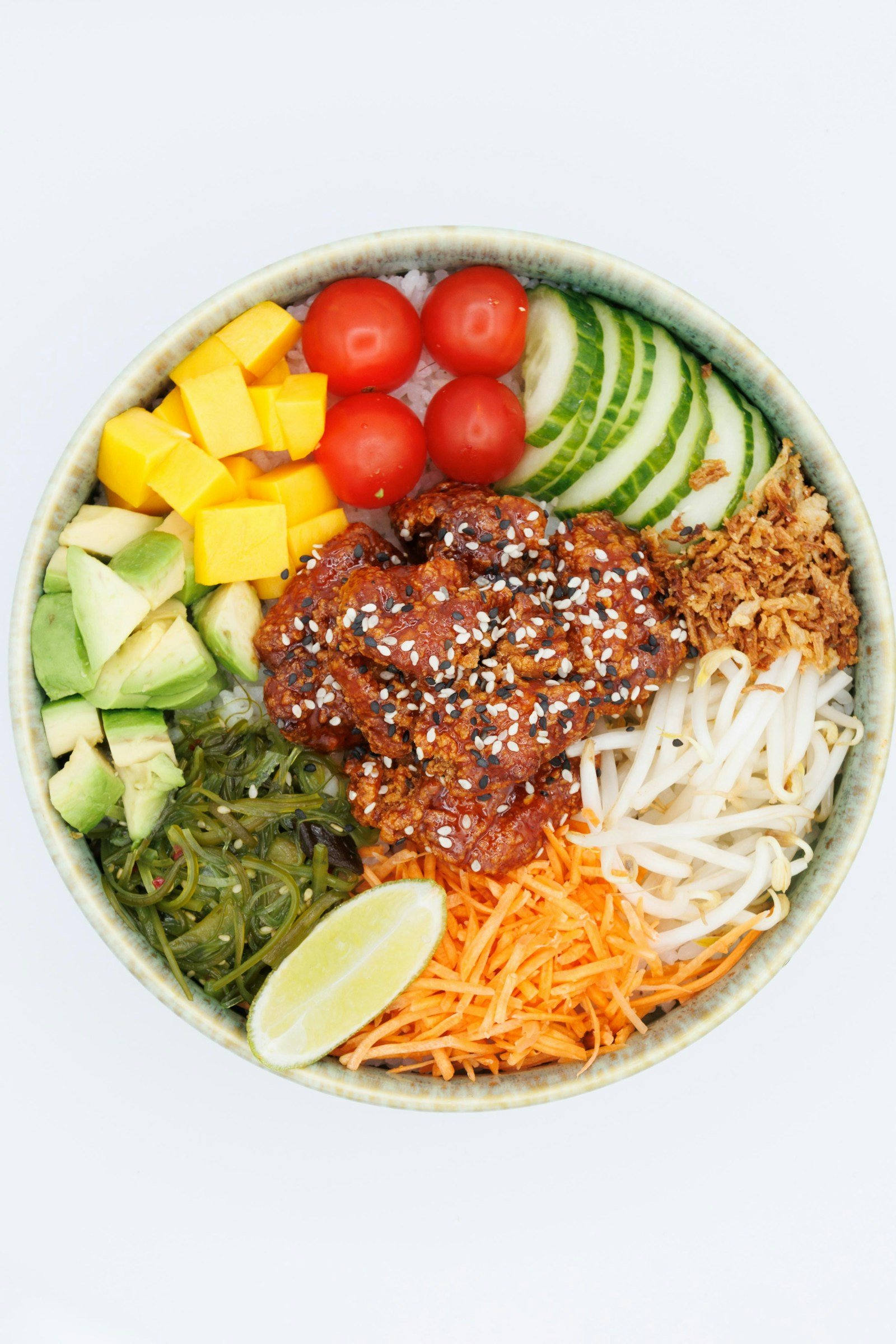
Why Proportions Work Better Than Rules
Strict calorie counting is hard to maintain and can make eating stressful. Proportion-based eating works because it automatically increases the fibre, vitamins and minerals in your meals while keeping portions of energy-dense foods reasonable. Vegetables take up space and volume, helping you feel satisfied. Protein slows digestion and supports muscle maintenance. Whole grains provide steady energy rather than sharp blood sugar spikes.
Step-by-Step: Building Your Plate
1. Start with the vegetables
Fill half your plate first. Try to include at least two different colours, because each colour group tends to supply different antioxidants and vitamins. Raw salads, steamed greens, roasted vegetables and vegetable curries all work well.
2. Add a palm-sized portion of protein
A good everyday guide is roughly the size and thickness of your palm for animal proteins, or about a cupped handful of cooked beans, lentils or dal. Vary your protein sources across the week: fish a couple of times, legumes often, eggs and poultry in moderation, and red meat occasionally.
3. Choose whole-grain carbohydrates
Whole and minimally processed grains keep their fibre, B vitamins and minerals. A cupped handful of cooked grain is a sensible starting point for most adults, adjusted up or down based on activity level and appetite.
4. Finish with healthy fats
A teaspoon or two of olive oil, a small handful of nuts or a few slices of avocado is usually enough. Healthy fats help your body absorb fat-soluble vitamins A, D, E and K from the vegetables on your plate.
Balanced Plate Examples
- Indian-style: A large serving of sabzi and salad, a bowl of dal, one or two whole wheat rotis and a spoon of curd.
- Mediterranean-style: Greek salad, grilled fish, a small portion of quinoa and a drizzle of olive oil.
- Plant-based: Roasted vegetables, chickpeas, brown rice and tahini dressing.
- Breakfast version: Vegetable omelette, whole grain toast and a piece of fruit.
Common Mistakes to Avoid
- Piling on too much of the starch section because it is the most familiar part of the meal.
- Relying on fruit juice instead of whole fruit for the fruit portion.
- Drowning vegetables in heavy, creamy sauces that overwhelm their benefit.
- Skipping protein at breakfast, which often leads to mid-morning hunger.
Frequently Asked Questions
Do I need to use the plate model at every meal?
No. Think of it as a general pattern across the day and week rather than a rule for every bite. Soup, sandwiches or one-pot dishes can still follow the same proportions in spirit.
Is the balanced plate suitable for weight loss?
It is a helpful framework because it emphasises high-volume, high-fibre foods that keep you full. Overall energy intake and activity still matter, so adjust portion sizes to your goals.
Can I use it if I follow a vegetarian or vegan diet?
Absolutely. Swap animal protein for legumes, tofu, tempeh, paneer or soy products, and make sure you plan for vitamin B12 if you eat no animal foods.
The Bottom Line
The balanced plate gives you a practical, repeatable way to eat well without obsessing over numbers. Start with half vegetables, add protein and whole grains, finish with a little healthy fat, and adjust to your tastes and culture. Small, consistent habits at the dinner table add up to long-term health.
This article is for general education and is not a substitute for personalised advice from a registered dietitian or doctor.