More people are shifting toward plant-based eating for health, environmental and ethical reasons. A well-planned plant-forward diet can be nutritionally complete and linked to lower risks of chronic disease. The good news is you do not have to go fully vegan overnight.
What Does “Plant-Based” Mean?
| Pattern | What is included |
|---|---|
| Flexitarian | Mostly plants with occasional meat or fish |
| Pescatarian | Plants, fish and seafood, often dairy and eggs |
| Lacto-ovo vegetarian | Plants, dairy and eggs; no meat or fish |
| Vegan | Only plants; no animal products |
| Whole-food plant-based | Plants with minimal processing, little or no oil and refined foods |
Health Benefits
- Lower risk of heart disease, high blood pressure and type 2 diabetes
- Easier weight management due to higher fibre and lower energy density
- Lower LDL cholesterol
- Reduced risk of some cancers, particularly colorectal cancer, with lower red and processed meat intake
- Improved gut microbiome diversity
Benefits depend on diet quality. A diet of chips, white bread and sugary drinks may be plant-based but is not healthy.
Nutrients to Pay Attention To
| Nutrient | Plant sources and tips |
|---|---|
| Vitamin B12 | Not reliably found in plants. Use fortified foods or a supplement if vegan. |
| Protein | Legumes, soy, tofu, tempeh, seitan, quinoa, nuts and seeds |
| Iron | Lentils, beans, tofu, leafy greens, seeds; eat with vitamin C |
| Calcium | Fortified plant milks, calcium-set tofu, ragi, sesame, kale, broccoli |
| Zinc | Legumes, nuts, seeds, whole grains; soaking and sprouting help |
| Omega-3 (ALA, EPA, DHA) | Flax, chia, walnuts; consider algae-based DHA/EPA |
| Iodine | Iodised salt, seaweed in moderation |
| Vitamin D | Sunlight, fortified foods or supplement |
Starter Grocery List
- Grains: Oats, brown rice, quinoa, millets, whole wheat roti or bread
- Legumes: Lentils, chickpeas, kidney beans, black beans, soya chunks, tofu, tempeh
- Vegetables: Leafy greens, broccoli, carrots, tomatoes, peppers, sweet potatoes
- Fruit: Seasonal fruit, bananas, berries, citrus
- Nuts and seeds: Almonds, walnuts, peanuts, chia, flax, pumpkin seeds, tahini
- Flavour: Garlic, ginger, spices, herbs, lemon, nutritional yeast
- Fortified items: Plant milk, cereals and nutritional yeast with B12
How to Transition: A 4-Week Plan
- Week 1: Add one extra vegetable serving to lunch and dinner. Try a meat-free day.
- Week 2: Swap meat for beans, lentils or tofu in two or three meals.
- Week 3: Replace dairy milk or yogurt with fortified plant versions if you wish. Experiment with new grains and spices.
- Week 4: Aim for most meals plant-based and plan for B12 and other nutrients.
Easy Meal Ideas
- Breakfast: Oat porridge with chia and berries, or tofu scramble on toast
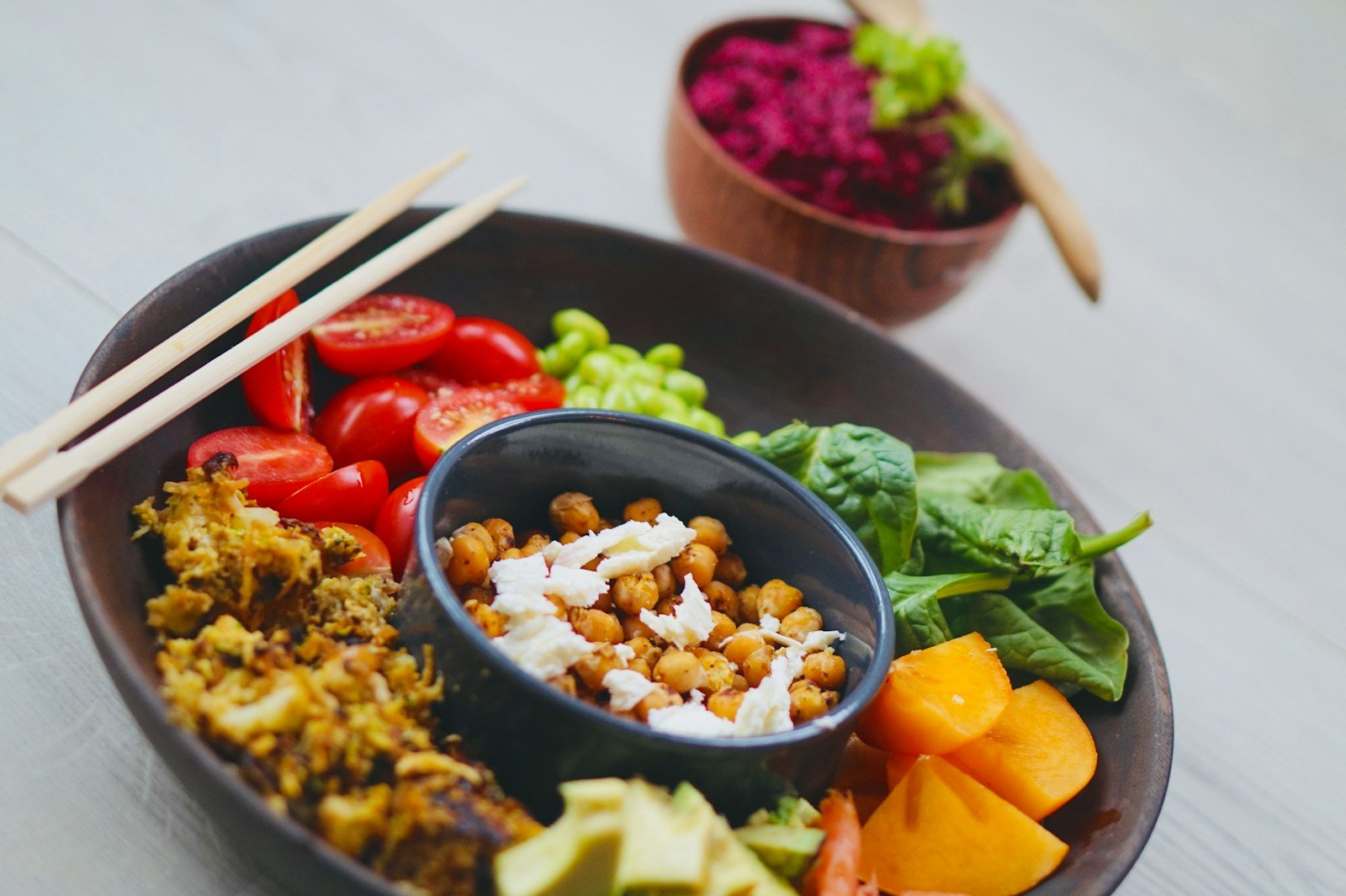
- Lunch: Chickpea and vegetable buddha bowl with tahini dressing
- Snack: Hummus with vegetables, fruit with nut butter, roasted chana
- Dinner: Dal with brown rice and sauteed greens, or vegetable and tofu stir-fry
Common Mistakes
- Relying on processed vegan snacks and meat substitutes
- Not eating enough protein, calories or variety
- Skipping a B12 source
- Cutting foods without replacing them, leading to fatigue and hunger
Who Needs Extra Care?
Pregnant and breastfeeding women, infants, children, teenagers and older adults need particularly careful planning. A registered dietitian can help tailor a safe plan.
The Bottom Line
You can begin with small steps and eat more plants without being perfect. Build meals around legumes, whole grains, vegetables, fruit, nuts and seeds, and plan for key nutrients like B12.
This article is for general education and is not a substitute for personalised advice from a registered dietitian or doctor.