One of the biggest myths about healthy eating is that it costs a fortune. In reality, many of the most nutritious foods, including lentils, oats, eggs, seasonal vegetables and frozen produce, are among the cheapest. With a little planning, you can fill your trolley with nourishing food without overspending.
The Budget-Friendly Healthy Grocery List
Grains and starches
- Rolled oats
- Brown or parboiled rice
- Whole wheat flour (atta)
- Millets such as ragi, bajra and jowar
- Poha and dalia (broken wheat)
- Potatoes and sweet potatoes
Proteins
- Dried lentils and dals (toor, moong, masoor, chana)
- Chickpeas, rajma and black-eyed peas
- Eggs
- Soya chunks
- Peanuts and peanut butter
- Canned sardines or tuna
- Whole chicken or frozen fish if you eat meat
- Curd or plain yogurt and paneer
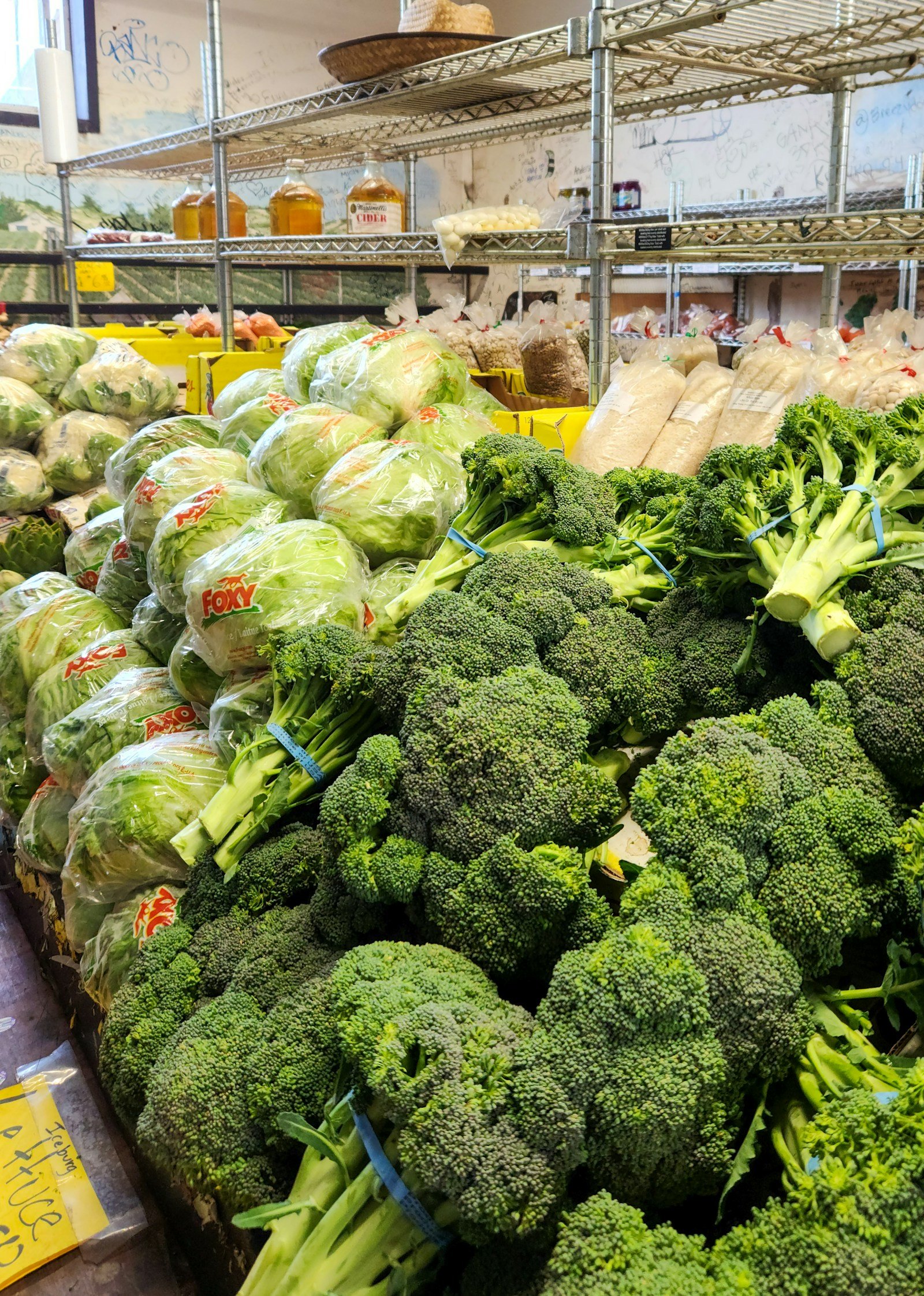
Vegetables
- Cabbage, carrots and onions (cheap and long-lasting)
- Spinach and other seasonal leafy greens
- Tomatoes, cucumbers and bottle gourd
- Cauliflower and broccoli in season
- Frozen peas, spinach and mixed vegetables
Fruit
- Bananas
- Seasonal fruit such as guava, papaya, oranges, apples and watermelon
- Frozen berries
- Lemons
Healthy fats, flavour and extras
- Mustard, groundnut or olive oil in moderation
- Seeds such as flax, sesame and sunflower
- Garlic, ginger, turmeric, cumin and other spices
- Canned tomatoes
- Roasted chana and makhana for snacks
10 Ways to Save Money
- Plan meals and write a list. This reduces impulse purchases and waste.
- Buy seasonal produce. It is fresher, tastier and cheaper.
- Shop at local markets and wholesale stores for grains, pulses and vegetables.
- Choose frozen or canned (low-sodium) options when fresh is costly. Frozen vegetables are nutritious and reduce spoilage.
- Buy staples in bulk if you have storage space and will use them.
- Compare unit prices (per 100 g or per kg) rather than package prices.
- Cook from scratch. Convenience foods cost much more per serving.
- Use leftovers creatively. Turn extra dal into parathas, vegetable scraps into stock.
- Store food correctly to extend freshness. Keep greens wrapped in a cloth in the fridge, onions and potatoes in a cool dark place.
- Limit drinks and snacks that add up, such as bottled juices and packaged chips.
Cheap Protein Comparison
| Food | Why it is good value |
|---|---|
| Lentils and dals | High protein and fibre at a very low cost per serving |
| Eggs | Complete protein with vitamins and choline |
| Soya chunks | One of the cheapest protein sources per gram |
| Peanuts | Protein, healthy fats and minerals |
| Curd | Protein, calcium and probiotics when homemade |
Sample Budget Meals
- Breakfast: Vegetable poha with peanuts, or oats with banana
- Lunch: Dal, rice, cabbage-carrot sabzi and cucumber salad
- Snack: Roasted chana or a banana
- Dinner: Rajma with roti and a tomato-onion salad, or egg curry with vegetables
The Bottom Line
Healthy eating is about simple, whole foods rather than expensive trends. Build your meals around pulses, grains, eggs, seasonal produce and basic spices, plan ahead and shop smartly to get the most nutrition for every rupee or dollar.
This article is for general education and is not a substitute for personalised advice from a registered dietitian or doctor.