Fermentation is one of humanity’s oldest food technologies. Long before refrigerators, people preserved vegetables, dairy and grains using beneficial microbes, and many cultures still eat fermented foods daily. Modern research suggests they may do more than preserve food: they may improve gut and immune health.
What Are Fermented Foods?
Fermented foods are made when microbes such as bacteria and yeast break down sugars and starches, producing acids, gases or alcohol. This changes flavour, extends shelf life and can create beneficial compounds. Not all fermented foods contain live cultures when you eat them, since baking, pasteurising or filtering may remove them.
What Does the Research Say?
A well-known 2021 Stanford study found that adding fermented foods to the diet for ten weeks increased gut microbiome diversity and reduced markers of inflammation, while a high-fibre diet alone did not show the same effect over that time. Other research links fermented dairy to better metabolic health. Studies are still developing, and effects vary by food and individual.
10 Best Fermented Foods
1. Yogurt and curd
Choose plain varieties labelled “live and active cultures”. Home-set curd is an affordable staple that provides protein and calcium.
2. Kefir
A tangy fermented milk drink with a wider variety of microbes than most yogurts. Water kefir is a dairy-free alternative.
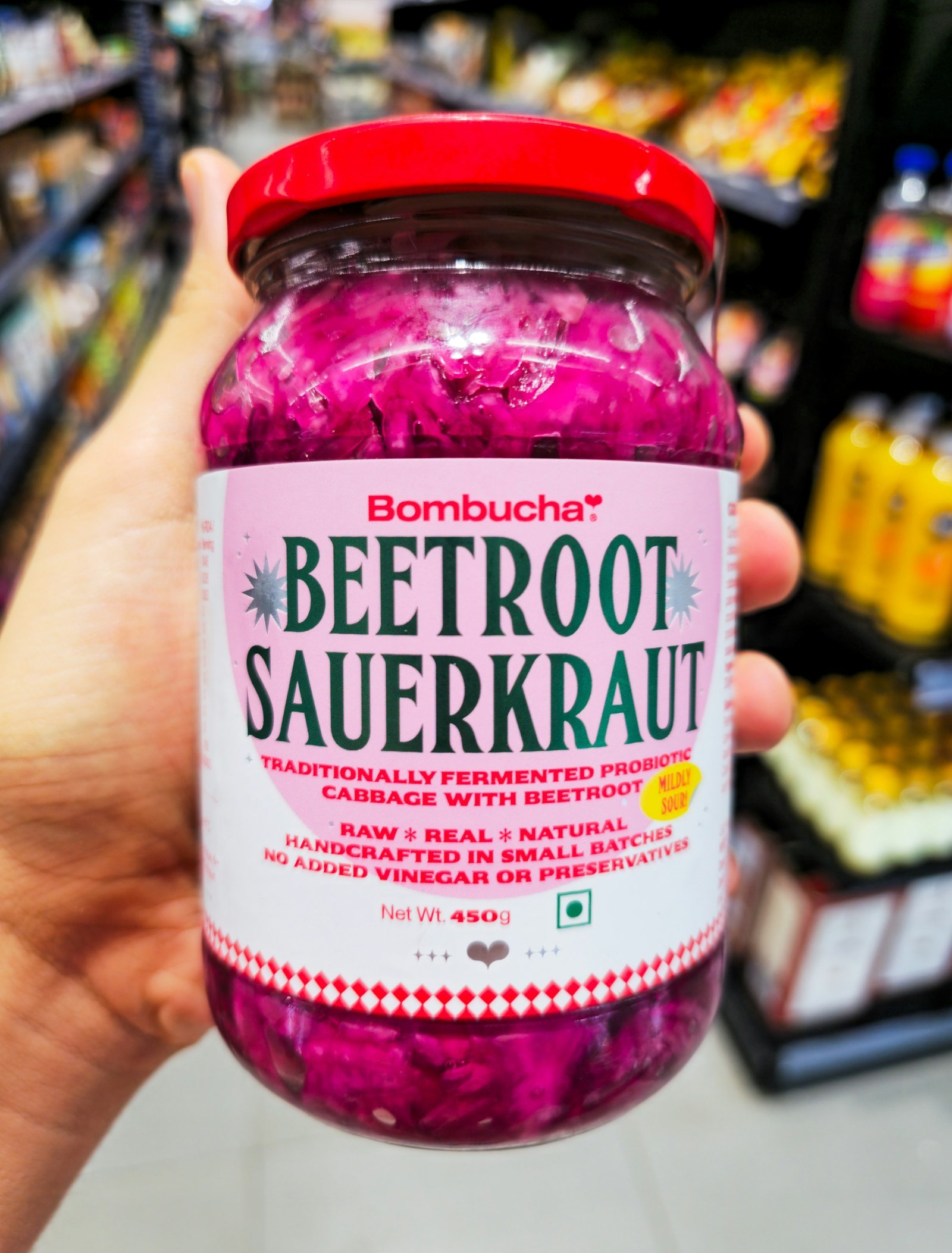
3. Sauerkraut
Fermented cabbage rich in fibre and vitamin C. Pick unpasteurised versions, as canned or shelf-stable ones are heat-treated.
4. Kimchi
Korean fermented vegetables, usually cabbage and radish, seasoned with chilli, garlic and ginger. It delivers probiotics and plant fibre together.
5. Idli and dosa
Fermentation improves digestibility and B vitamin content of rice and lentil batter. Note that cooking kills live microbes, but fermented compounds remain.
6. Buttermilk (chaas) and lassi
Cooling, hydrating drinks made from fermented dairy. Choose unsweetened versions.
7. Miso
Fermented soybean paste for soups and dressings. Add it after cooking, off the heat, to preserve live cultures. It is high in sodium, so use sparingly.
8. Tempeh
Fermented soybean cake with a firm texture and about 18 to 20 g of protein per 100 g.
9. Kombucha
Fermented tea with a fizzy, sour taste. Check sugar content and enjoy in moderation.
10. Traditional pickles and kanji
Naturally brined (not vinegar-based) vegetable pickles and kanji made from fermented carrots and beetroot can be probiotic-rich but can also be very salty.
How to Add Them to Your Diet
- Start with a small serving, such as a tablespoon of kimchi or half a cup of yogurt.
- Eat one fermented food daily and rotate for variety.
- Add sauerkraut or kimchi to sandwiches, rice bowls and salads.
- Use plain yogurt or kefir in smoothies and dressings.
- Read labels to avoid heavy added sugar.
Who Should Be Careful?
- People with histamine intolerance may react to aged and fermented foods.
- Those on MAOI medications need to avoid high-tyramine foods.
- Fermented foods can be high in salt, which matters for people with high blood pressure.
- Immunocompromised people should ask their doctor before eating unpasteurised ferments.
The Bottom Line
Fermented foods are a tasty, traditional way to support gut diversity. Aim for a daily serving, choose products with live cultures and combine them with fibre-rich plants.
This article is for general education and is not a substitute for personalised advice from a registered dietitian or doctor.