Snacking has a bad reputation, but the right snack can steady your energy, prevent overeating at meals and add valuable nutrients. The secret is combining protein, fibre and healthy fats so the snack satisfies you rather than sending you searching for more in an hour.
What Makes a Snack Healthy?
- Contains protein or fibre (ideally both): They slow digestion and increase fullness.
- Includes whole food ingredients: Fruit, vegetables, nuts, seeds, legumes and dairy.
- Low in added sugar and refined flour: Avoid snacks that cause quick energy spikes and crashes.
- Right-sized: Around 100 to 250 calories for most people, adjusted for hunger and activity.
25 Healthy Snack Ideas
High-protein snacks
- Greek yogurt with berries
- Hard-boiled eggs with a pinch of pepper
- Roasted chickpeas or roasted chana
- Cottage cheese with cucumber or tomato
- Edamame with sea salt
- Paneer cubes with mint chutney
- Sprouts chaat with lemon and onion
Fibre-rich fruit and veg combos
- Apple slices with peanut or almond butter
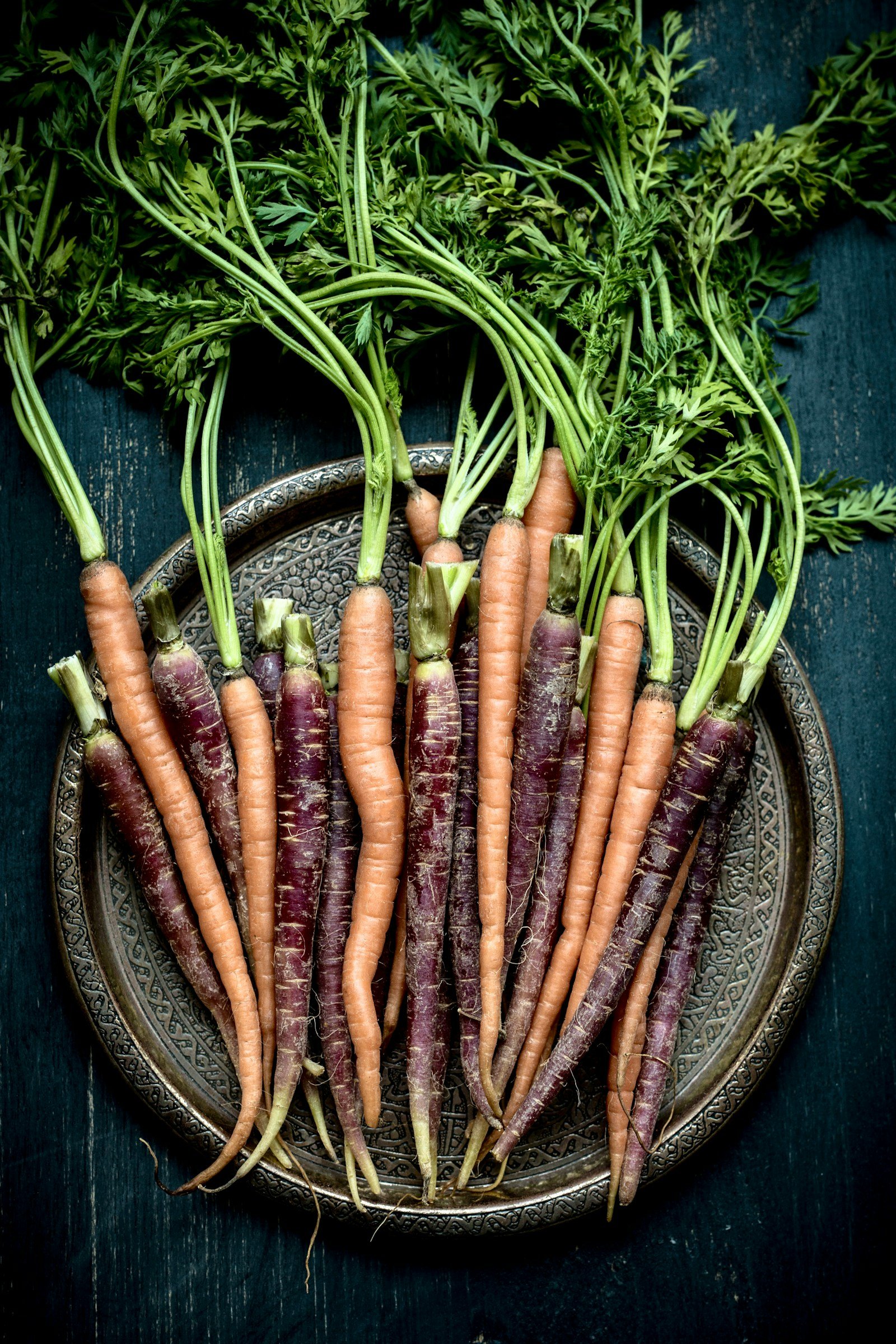
- Carrot and cucumber sticks with hummus
- Banana with a spoon of nut butter
- Pear with a few walnuts
- Berries with a small piece of dark chocolate
- Guava or papaya with chaat masala
Nutty and seedy bites
- A small handful (about 30 g) of mixed nuts
- Homemade trail mix with seeds and unsweetened dried fruit
- Pumpkin seeds with a sprinkle of salt and spices
- Date stuffed with almond
- Energy balls made from oats, dates and nut butter
Whole-grain options
- Air-popped popcorn with spices
- Whole grain toast with avocado or mashed chickpeas
- Oat and banana mini pancakes
- Multigrain crackers with cheese
- Roasted makhana (fox nuts)
- Vegetable and besan chilla
Snacks to Limit
- Packaged chips, namkeen and fried snacks high in sodium and saturated fat
- Biscuits and pastries made with refined flour and sugar
- Sweetened flavoured yogurts and granola bars
- Sugary drinks and fruit juices
Smart Snacking Tips
- Plan ahead. Pre-portion nuts, wash fruit and keep cut veg in the fridge.
- Portion snacks into a bowl instead of eating from the pack.
- Pair a carbohydrate with protein or fat for steadier energy.
- Match your hunger. Snack when you are truly hungry, not just bored.
- Drink water first. Thirst is sometimes mistaken for hunger.
- Keep treats in the mix. A planned small treat prevents feeling deprived.
Frequently Asked Questions
How many snacks a day is okay?
One or two planned snacks suit many people, but some do fine with none. Let your hunger, schedule and goals guide you.
Are nuts too fattening?
Nuts are calorie-dense, but studies link regular moderate intake with better heart health and no extra weight gain when eaten in sensible portions.
The Bottom Line
Choose whole food snacks with protein and fibre, plan them in advance and listen to your hunger. A thoughtful snack drawer can be one of the easiest upgrades to your daily diet.
This article is for general education and is not a substitute for personalised advice from a registered dietitian or doctor.